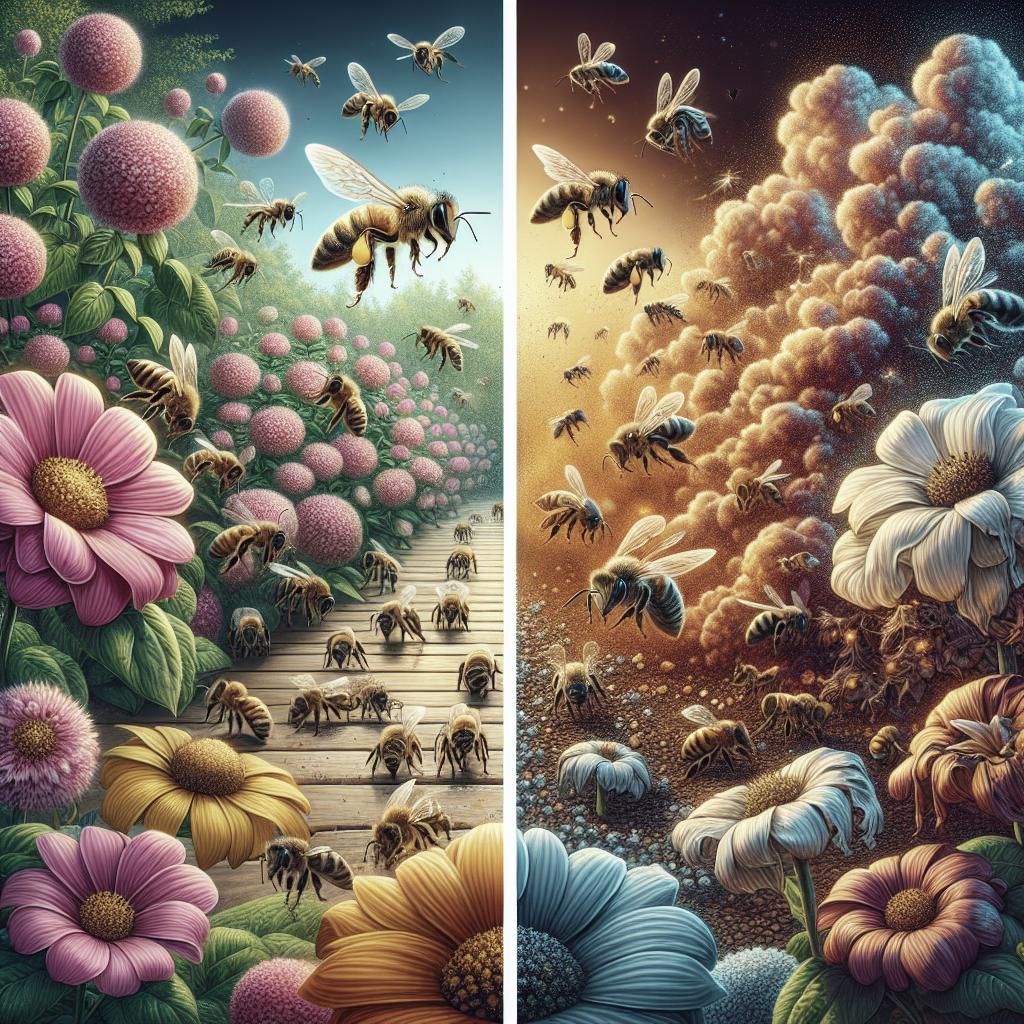
The Impact of Neonicotinoids on Bees
Abstract
Neonicotinoids are a class of insecticides that have sparked significant concern regarding their impact on bee populations worldwide. These chemicals are commonly used in agriculture due to their effectiveness, but studies suggest they may be linked to declines in bee health. This article explores the various effects of neonicotinoids on bees, assessing how methods and exposure influence bee colonies. The analysis includes data on wild bee distribution, foraging preferences, and landscape structures. By examining current research and outcomes, we aim to understand better the relationship between these insecticides and bee populations, considering ecological and agricultural implications.
Introduction
Bees, essential for pollination and maintaining biodiversity, face numerous threats, with neonicotinoids standing out as significant concerns. These potent insecticides affect the central nervous system of insects, leading to debate regarding their safe use in agriculture. Understanding the implications of neonicotinoids is crucial for developing sustainable agricultural practices.
This blog post examines the impact of neonicotinoids on different bee species, considering multiple studies and methodologies that reveal their influence. We will delve into the various measures used to assess the relationship between these chemicals and bee health, focusing on oilseed rape exposure and broader ecological interactions.
Results
Responses to neonicotinoid seed treatments on oilseed rape
Studies indicate that neonicotinoid seed treatments significantly affect bee visitation rates to oilseed rape crops. These treatments often lead to reduced bee activity and lower pollen collection, impacting the overall health and productivity of bee colonies.
Responses to the cover of oilseed rape
The density and coverage of oilseed rape play a role in the extent of neonicotinoid influence. Larger fields with extensive neonicotinoid use pose greater risks, leading to widespread exposure and potentially long-lasting effects on bee populations, disrupting both foraging behavior and colony dynamics.
Methods
Subjects
The analysis of neonicotinoids’ impact on bees involves various species including honeybees, bumblebees, and solitary bees. Each species reacts differently to these insecticides based on their foraging habits and ecological roles, necessitating diverse methods of study.
Statistical analysis
Researchers employ dynamic Bayesian occupancy models to evaluate bee populations’ responses to neonicotinoids. This method allows for assessing changes in bee distribution and activity over time, taking into account environmental variables and differing exposure rates.
Responses to foliar applied insecticides on oilseed rape
Foliar applications of neonicotinoids intensify the risk of contamination for bees during their foraging activities. This exposure can disrupt navigation, reduce foraging efficiency, and impair colony growth, underscoring the need for careful application management.
Evidence suggests a correlation between timing and application density of these insecticides and their adverse effects. More strategic approaches could mitigate risks, suggesting that carefully scheduled applications could reduce the harm to pollinators without compromising crop protection.
Additional information
Wild bee distributional data and foraging preferences
Understanding wild bee distributions and foraging preferences is key in evaluating neonicotinoid impacts. Certain species may prefer crops treated with neonicotinoids, inadvertently exposing them to higher levels of these chemicals.
Wild bee distributional foraging preferences for oilseed rape
Bees’ foraging preferences for oilseed rape, a crop frequently treated with neonicotinoids, make them susceptible to pesticide exposure. By analyzing regional distribution data, researchers can better predict and mitigate potential risks to these vulnerable pollinator populations.
Ethics declarations
Competing interests
Consideration of ethical practices is crucial in research. It is important to declare any potential conflicts of interest to ensure objectivity in studying neonicotinoid impacts. Transparency in these disclosures helps maintain trust in scientific findings.
Researchers must adhere to ethical guidelines, ensuring that studies prioritize ecological welfare and do not disproportionately favor agricultural interests over environmental health.
Acknowledgements
This research was made possible through collaboration with numerous environmental groups and agricultural stakeholders. Their contributions and insights are invaluable in understanding and addressing the complex issues related to neonicotinoid use and bee health.
Special thanks to the bee conservation organizations and research teams who provided data and support for this analysis, furthering our collective goal of safeguarding pollinator populations worldwide.
Author information
Authors and Affiliations
The authors involved in this research hail from a diversity of backgrounds, encompassing both ecology and agricultural sciences. Their combined expertise provides a comprehensive perspective on the subject, enabling thorough analysis and interpretation of the data.
Rights and permissions
All rights reserved for the data and findings presented in this article. Reproduction or distribution without explicit permission from the authors is prohibited, ensuring the integrity and credibility of the information provided.
For permissions beyond the scope of this license, please contact the corresponding author directly to discuss equitable sharing and reproduction of the material in a manner that supports educational and research purposes.
Next steps
| Topic | Summary |
|---|---|
| Impact on Bees | Neonicotinoids impair bee foraging behavior and reduce colony health. |
| Methods Analyzed | Dynamic Bayesian models provide insights on bee activity changes. |
| Exposure Variables | Field size, crop density, and application timing alter impact levels. |
| Research Ethics | Transparent conflict disclosures are essential for reliable studies. |
| Future Directions | Continued development of strategies to reduce neonicotinoid use. |
References
Comprehensive lists of studies and published articles were reviewed for this analysis to ensure accurate representation of the findings related to neonicotinoid impacts on bee populations.
Available With This Report
Additional data sets and research papers are available for readers who wish to explore the findings further. Supplementary material includes detailed charts and raw data for more in-depth examination.
Supplementary information
Supplementary Information
Supplementary files provide robust support for the presented data, extending insights beyond the primary report. This includes appendices and additional case studies that further contextualize neonicotinoid effects.
Cite this article
When citing this article, please use the provided format to ensure proper accreditation. Accurate citation promotes continued research sharing and collaboration within the scientific community.
Share this article
Feel free to share this article with colleagues and peers interested in environmental science and sustainable agriculture. Engaging broader audiences helps advance the conversation on protecting essential pollinators.
Related Stories
Explore other articles and reports that discuss agricultural practices, pollinator conservation, and innovative strategies for sustainable farming. These stories contribute to a wider understanding of the connections between agriculture, ecology, and technology.
Discussion
The debate around neonicotinoids highlights a critical crossroads in agricultural policy. Balancing crop protection with ecological preservation demands nuanced approaches that prioritize long-term sustainability over immediate yield gains.