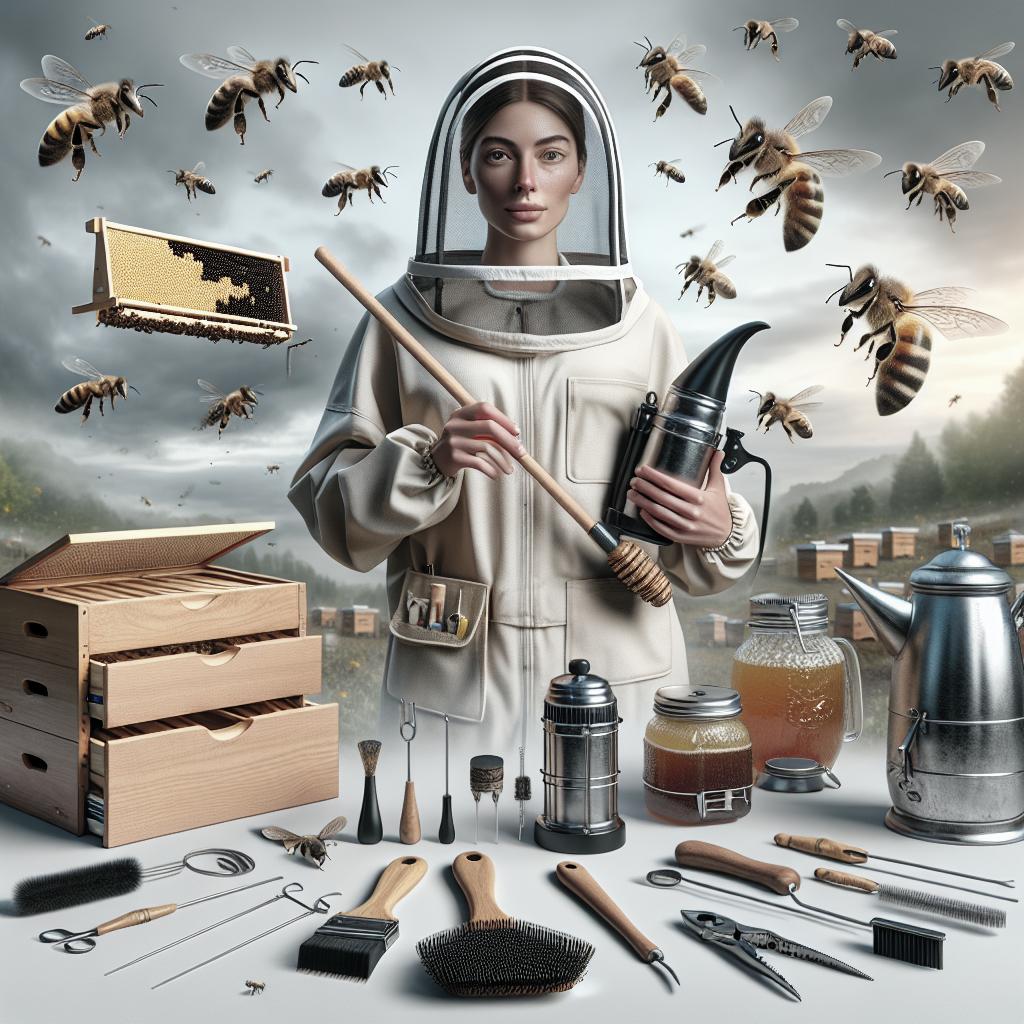
Mead, often referred to as honey wine, has been cherished for centuries across various cultures. This intricate blend of honey, water, and yeast produces a delightfully unique beverage that has stood the test of time. Whether you’re a novice brewer or an experienced enthusiast, understanding the detailed process of crafting mead can be a rewarding journey. In this guide, we will explore the essential equipment, ingredients, and step-by-step instructions required to produce mead. We’ll also delve into different types of mead, such as fruit and herbal varieties, and uncover useful resources for aspiring brewers. Finally, we’ll touch on other fermented beverages to diversify your brewing expertise. Embark on this journey to create your own honey elixir with our comprehensive breakdown.
Mead (Honey Wine)
Equipment
The first step in mead making is gathering the necessary equipment. A fermenter is crucial; it can be a glass carboy or a food-grade plastic bucket. An airlock will help release gases during fermentation while preventing contaminants from entering. Sanitation is key, so having a reliable sanitizer is essential to clean all equipment thoroughly.
Additional tools include a hydrometer to measure the specific gravity of your mead, which is important for determining the alcohol content and sweetness levels. A siphoning tool will be needed to transfer the mead between containers, minimizing exposure to the air. Lastly, bottles and corks or caps are required to store your finished product.
Ingredients
US Customary
Mead is remarkably simple when it comes to ingredients. In its most basic form, it’s a combination of honey, water, and yeast. However, for a refined flavor, specific amounts must be considered; generally, you’ll need about 3 pounds of honey for a 1-gallon batch. Use filtered water to ensure no unwanted flavors impact your mead.
Metric
For those who use metric measurements, approximately 1.36 kilograms of honey is needed for 4 liters of water. Metric users will find it easy to scale up the recipe to suit their desired batch size. The yeast variety will significantly affect the taste, with options ranging from champagne to ale yeast.
1x
Using a standard 1x recipe allows you to maintain consistency and understand the fundamental aspects of mead production. This base recipe acts as a foundation upon which you can build more complex flavors or adjust sweetness and alcohol levels.
2x
For those eager to produce a larger quantity, doubling the recipe to 2x ensures you have enough mead to share while still mastering the process. This adjustment requires careful monitoring of fermentation times and potential taste adjustments.
3x
A 3x recipe offers the opportunity to experiment with bigger batches, useful for gatherings or as gifts. This scale requires careful attention to detail, especially in blending flavors and maintaining proper fermentation conditions.
Instructions
Begin by thoroughly sanitizing all your equipment to prevent contamination. Dissolve the honey in warm water in your fermenter, ensuring it is mixed completely. Once dissolved, allow the mixture to cool to room temperature before adding the yeast to initiate fermentation.
Seal your fermenter with the airlock and store it in a dark, cool environment. Over a span of weeks or months, depending on desired strength and taste, the fermentation process will convert honey sugars into alcohol. Regularly check the specific gravity with a hydrometer to monitor fermentation progress.
Notes
Mead-making, while straightforward, requires patience and attention to detail. Always address any off-flavors early, as they could indicate contamination. Experimentation is key; flavors can be adjusted using various yeast strains or by adding fruits and spices.
It’s advisable to start with a smaller batch to understand the nuances of fermentation and flavor development. Join local mead-making communities or online forums for additional tips and to share your experiences.
Nutrition
The nutritional profile of mead is influenced by the type and amount of honey used. Typically, mead contains antioxidants derived from honey, though its alcohol content tends to be higher than beer and similar to wine, around 10-20% ABV.
The natural sugars from honey contribute to its caloric content, making it a richer beverage. Mead can be gluten-free if caution is taken with additives, appealing to those with dietary restrictions.
Types of Mead
Quick Mead
Quick mead, also known as short mead or hydromel, is designed for those who wish to enjoy their beverage sooner. Typically lower in alcohol content, quick meads ferment for a few weeks rather than months, providing a semi-sweet or slightly dry taste.
This variant is ideal for beginners or parties where time is of the essence. Though quicker to produce, it requires careful balance to prevent excessive tartness or insufficient sweetness.
Fruit Meads (Melomel)
Melomel incorporates fruits into the mead alongside honey, offering a vast array of flavor possibilities. Popular fruits include berries, apples, and citrus, each infusing the mead with unique color and taste profiles.
Balancing fruit acidity with honey sweetness is crucial in melomel production. Fruit can be added during primary fermentation for full integration or in secondary fermentation for a lighter touch.
Herbal Mead (Metheglin)
Metheglin, a less common but equally intriguing type of mead, integrates herbs and spices into the base formula. Options include cinnamon, ginger, and chamomile, allowing for an expansive range of aromatic and complex flavors.
Herbal meads pay homage to mead’s historical roots as a medicinal drink, offering both complexity and depth. Its preparation demands precision in ingredient quantity to ensure harmonious taste profiles without overpowering the palate.
Equipment for Making Mead
Proper equipment is fundamental for successful mead-making. Beyond basic fermenters and airlocks, a programmable thermostat can help maintain stable fermentation temperatures, crucial for achieving consistent results.
Miscellaneous items like funnels, sieves, and pH testers can streamline the process, ensuring your final product is clear and delectable. Starting with high-quality equipment maximizes your chances of crafting exceptional mead.
How to Make Mead
Mead-making begins with preparation, involving the sanitation of all equipment and the acquisition of quality ingredients. Honey is dissolved in water and brought to a specific volume before adding yeast to catalyze fermentation.
Throughout fermentation, monitoring specific gravity and tasting samples periodically will guide you in adjusting flavors and determining the readiness of your mead. Patience is crucial, as even after primary fermentation, aging can enhance the profile significantly.
Mead Making Books & Resources
Many books and online resources provide in-depth knowledge about mead-making. Texts like “The Compleat Meadmaker” by Ken Schramm offer detailed guides for both novices and experts. Online communities and forums can also be invaluable for those seeking advice and peer experiences.
Workshops and local brewing clubs can also provide practical learning opportunities and foster connections with fellow enthusiasts. Leveraging available resources can expedite skill development and refine your brewing processes.
More Fermented Beverages
Related
Beyond mead, there’s a world of fermented beverages to explore. Beer, cider, and kombucha, for example, offer distinct characteristics and cultural histories. Each requires specific techniques and ingredients, broadening the scope of homebrewing possibilities.
Learning the nuances of various fermented beverages can open new horizons for flavor innovation and appreciation of ancient practices. Enthusiasts often find that understanding different fermentation processes enhances their overall brewing proficiency.
Final thoughts:
| Category | Details |
|---|---|
| Equipment | Fermenter, airlock, hydrometer, siphoning tool, bottles |
| Ingredients | Honey, water, yeast |
| Types | Quick mead, melomel, metheglin |
| Resources | Books, online communities, workshops |
| Related Beverages | Beer, cider, kombucha |