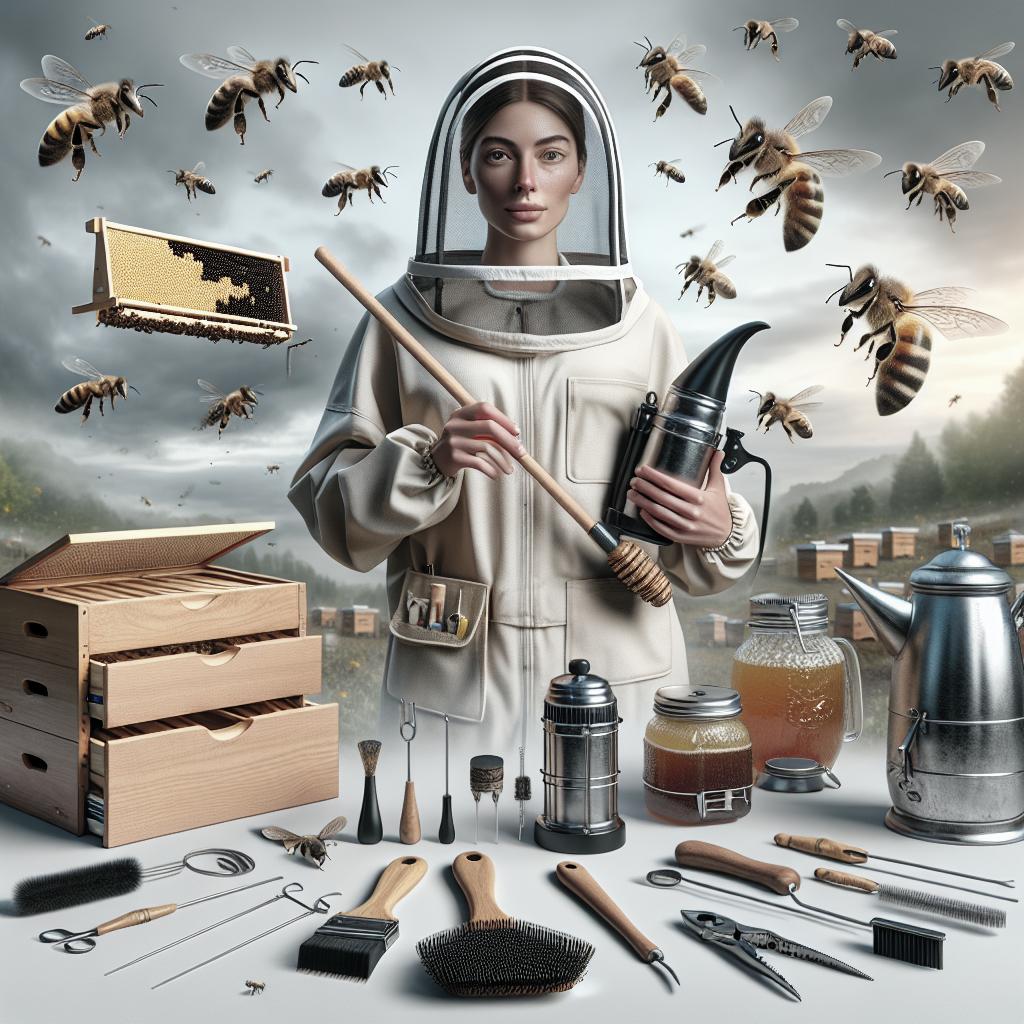
The Effect of Light Pollution on Bees
Bees, critical to our ecosystem, face numerous threats, not least from light pollution.
Artificial light at night disrupts their natural behaviors, affecting not only their pollinating efficiency but also their survival.
Their plight underlines the broader issue of how light pollution impacts nocturnal pollinators as a whole.
Understanding these effects is crucial, as solutions lie within our grasp.
Simple changes can make a significant difference, protecting these vital creatures and, by extension, our ecosystems.
This article explores the impact of light pollution on bees and other night-time pollinators, the risks they face, and actionable steps we can take to mitigate these issues.
Many nighttime insects are incredible pollinators
When we think of pollinators, bees are often the first creatures that come to mind. However, many insects, including moths and beetles, perform vital pollination work under the cover of darkness. These nighttime pollinators play a crucial role in the reproduction of various plant species, ensuring biodiversity and maintaining healthy ecosystems.
Their activity during the night complements that of daytime pollinators, providing a continuous cycle of pollen transfer which is essential for the survival of countless plant species.
Bees, although often diurnal, can also contribute to nighttime pollination, especially in areas where artificial lighting extends daylight hours. The interdependence between plants and their nocturnal pollinators can’t be overstated, as many plants have evolved to attract specific insects that can only operate effectively at night. This delicate balance is threatened by increasing light pollution, which can disrupt the nocturnal activities of these important pollinators.
Artificial light at night puts pollinators in peril
Light pollution is now recognized as a global threat to the environment, and its impact on nocturnal insects is profound. Artificial lighting disrupts the natural cycles of darkness that insects rely on for navigation, foraging, and reproduction. Many pollinators are attracted to artificial lights, leading them away from their natural habitats and food sources. This can result in increased predation, exhaustion, and ultimately, a decrease in population numbers.
For bees, especially species that are active during twilight, artificial light can significantly alter their behavior. It affects their ability to forage efficiently and disrupts their internal clocks, leading to a mismatch between pollination times and when flowers open. Additionally, light pollution can interfere with their communication signals, which are vital for hive survival and individual safety. Such disturbances can have long-term impacts not only on bee populations but also on the plants they pollinate and, by extension, entire ecosystems.
Beyond individual species, the impact of light pollution can extend to broader ecological networks. As key species like bees become less effective pollinators, plants that rely on them for seed production may suffer, leading to reduced plant regeneration and biodiversity. Such trophic cascades can fundamentally alter habitats, affecting food availability for numerous other organisms within these ecosystems.
We have the power to protect wildlife from light pollution
Mitigating the effects of light pollution does not require drastic measures, but rather, targeted efforts that can significantly benefit nocturnal pollinators. Implementing technologies such as motion-sensor lights can reduce unnecessary illumination, allowing darkness to reclaim its critical role in the environment. Shielding outdoor lights to minimize their skyward glow can also prevent disorienting insects, including bees.
Communities and individuals can both take part in reducing light pollution. Installing fixtures that direct light only where it is needed, choosing warmer light bulbs that are less attractive to insects, and turning off unnecessary lights can help preserve the natural night environment. By being mindful of our lighting practices, we can support bees and other nocturnal pollinators in their essential roles.
Policy changes can also make a significant impact. Government regulations that control the intensity, timing, and type of lighting used in urban and rural areas can help protect pollinators. Public awareness campaigns can further educate people on the importance of nighttime ecosystems, encouraging the adoption of more sustainable lighting practices. Through these combined efforts, we can help create a more harmonious balance between human needs and those of wildlife.
Learn more about light pollution and its effects on insects
Education and research are key to understanding and alleviating the impacts of light pollution on bees and other insects. Studies continue to reveal the nuances of how artificial light affects different species’ behavior, physiology, and ecology. By staying informed, individuals can make better decisions that contribute positively to the environment.
Programs and resources are available from various environmental organizations that focus on light pollution. Engaging with these can provide practical advice and community support for those looking to reduce their light footprint. Participating in citizen science projects also offers the chance to contribute to ongoing research, helping scientists gather essential data on the effects of light pollution.
As awareness grows, more communities are taking part in efforts like “Dark Sky” initiatives that aim to reduce light pollution and promote the recovery of nocturnal ecosystems. Being part of this global movement can ensure that vital pollinators like bees, as well as other nocturnal creatures, are protected, supporting a more balanced and thriving natural world for future generations.
Next steps
| Aspect | Details |
|---|---|
| Nighttime Pollinators | Nocturnal insects like bees and moths are crucial pollinators, maintaining biodiversity and ecosystem health. |
| Impact of Artificial Light | Light pollution disrupts navigation, foraging, and reproduction of pollinators, threatening ecological balance. |
| Mitigation Strategies | Effective solutions include using motion sensors, shielded lighting, and policy changes to limit outdoor lighting. |
| Education and Awareness | Research and citizen science projects help understand and reduce light pollution’s effects. Community participation is vital. |