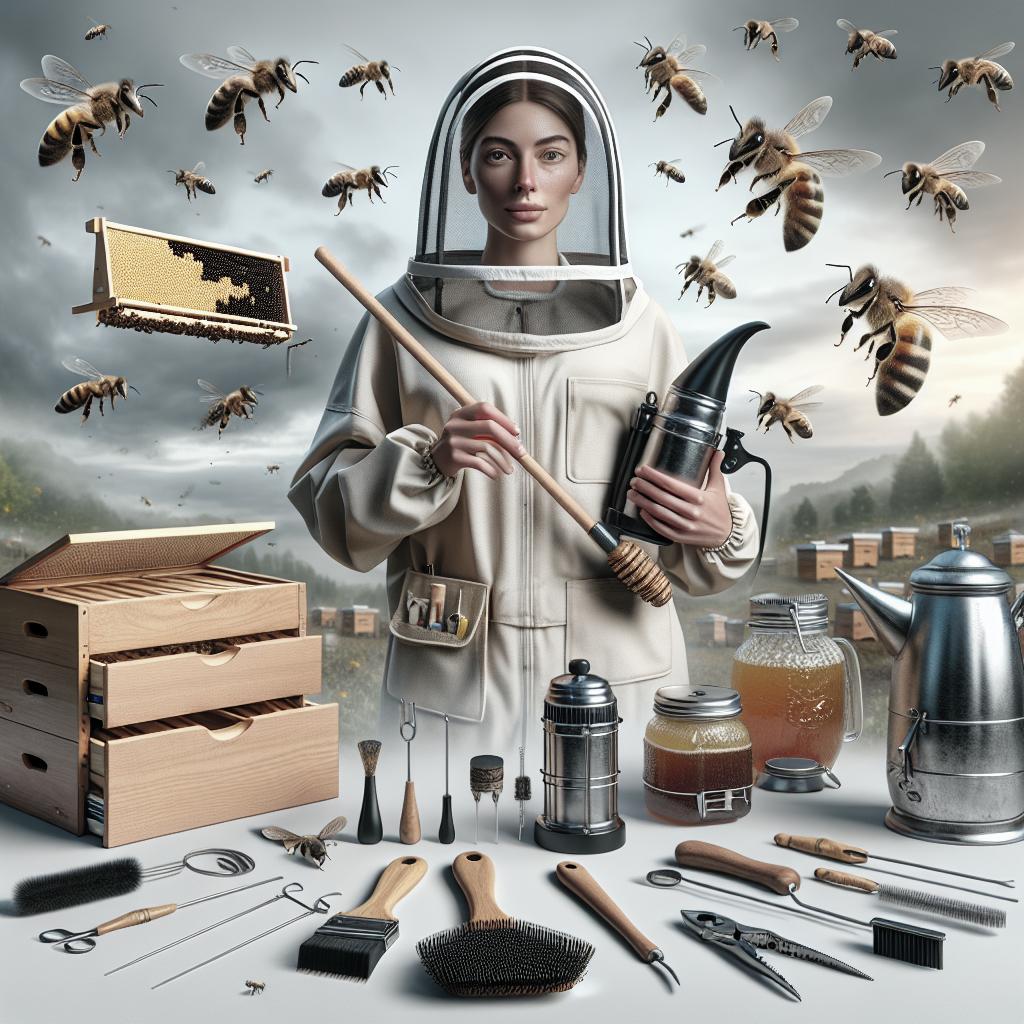
The Economic Impacts of Beekeeping
Beekeeping has emerged as both a cherished hobby and a viable economic venture for many enthusiasts around the world. This multifaceted activity offers more than just the sweet reward of honey; it also supports biodiversity and agricultural productivity. However, as one delves into beekeeping, economic factors such as initial costs, potential profits, and diverse income streams become critical considerations. In this blog post, we will explore the economic impacts of beekeeping, covering topics from startup costs to potential profits and income sources. By analyzing the different facets of beekeeping, we will provide a comprehensive perspective on whether this fascinating hobby can indeed transform into a profitable venture.
A Hobby That (Sometimes) Makes a Profit
Beekeeping, often initially pursued as a hobby, can sometimes transition into a profitable endeavor. For many, the allure of beekeeping lies in the ability to connect with nature and contribute to environmental sustainability. However, when managed efficiently and with adequate knowledge, beekeeping has the potential to generate financial returns.
While beekeeping offers several benefits, including pollination services and the production of honey and other hive products, the economic viability largely depends on factors such as scale, bee health, and market demand. For hobbyists, turning a profit requires meticulous management practices and an understanding of local supply chains.
Why Four Hives?
For those venturing into beekeeping with profit in mind, starting with four hives is often recommended as an optimal strategy. This number strikes a balance between manageability and potential output, making it feasible for hobbyists to maintain and monitor their bees effectively.
Having multiple hives also provides resilience against potential losses. If one hive underperforms due to disease or unfavorable weather conditions, the remaining hives may still yield sufficient products to ensure economic viability. Furthermore, managing four hives offers valuable hands-on experience that can be leveraged to scale operations in the future.
The Costs of Starting Beekeeping
Embarking on a beekeeping journey entails an array of initial costs, including purchasing equipment such as hives, protective gear, and tools. The quality and brand of these items play a significant role in determining the overall startup expenses, which can range from moderate to high, depending on the scale and ambition of the bee enthusiast.
Additionally, acquiring bee colonies represents a significant initial investment. Beekeepers may opt for packaged bees, nucleus colonies, or full-fledged hives. Each option carries varying costs, influenced by the bee breed, supplier, and location. Prospective beekeepers must carefully evaluate these factors to ensure a sustainable entry into beekeeping.
Expenditure
Beyond startup costs, ongoing expenditures are a crucial economic consideration for beekeepers. Routine expenses include supplementary feeding, medication, and beekeeping supplies. Proper maintenance and care, essential for healthy colonies, necessitate the purchase of quality resources and materials.
To safeguard the health and productivity of bees, beekeepers often also invest in professional advice, educational resources, or membership in beekeeping associations. These expenditures, while seemingly ancillary, can significantly impact the overall operational budget of a beekeeping enterprise.
Expenditure Totals
Compiling both initial and ongoing expenditures provides beekeepers with a comprehensive understanding of their financial outlay. Initial investments may average between a few hundred to a few thousand dollars, contingent on the scale and nature of the operation.
Subsequent annual expenditures for maintenance typically account for a smaller fraction of the initial expenses yet represent a recurring financial consideration. Beekeepers who meticulously track their spending can better strategize for profit generation and financial sustainability in the long term.
Products of the Hive
Among the most renowned hive products is honey, a natural sweetener prized for its versatility and health benefits. Beekeepers can diversify production by developing specialty varieties such as wildflower or clover honey, thereby enhancing market appeal.
Beyond honey, beeswax, propolis, and royal jelly offer ancillary revenue streams. These products underscore the economic benefits associated with beekeeping, enabling enterprising individuals to tap into niche markets and expand their consumer base.
Income from Honey
The primary income source for most beekeepers is honey sales, subject to market demand and honey quality. Marketing strategies, packaging choices, and brand establishment immensely influence profit margins in honey sales.
Direct sales to consumers, local farmer’s markets, or collaborations with local co-ops can provide opportunities for beekeepers to showcase their unique honey varieties while simultaneously enhancing visibility and public engagement.
Income from Bees
Beekeepers can also earn income by selling bee colonies, nucleus hives, or queen bees. Such sales are intricately tied to the quality and reputation of the beekeeper’s practices and their ability to cultivate healthy, thriving bee colonies.
Pollination services provided by beekeepers through the leasing of their bees constitute another substantial income channel. These services support agricultural productivity, creating symbiosis between beekeepers and local farmers while generating financial returns.
Income Totals and Overall ‘Profit’
Aggregating income from various sources, a savvy beekeeper can realize considerable monetary gains. The delicate balance between expenditure and diverse revenue streams determines the overarching profitability of the beekeeping venture.
Ultimately, while profit potential varies, beekeeping offers numerous avenues through which enthusiasts can maximize returns. By continually exploring these opportunities and refining their methods, beekeepers can steadily enhance their profit margins.
Observations
The economic impacts of beekeeping fluctuate based on individual goals and environmental variables. Factors such as geographical location, climate, and market trends influence both income potential and operational costs.
For long-term success, beekeepers must embrace adaptability, learning to shift their strategies in response to changing conditions and emerging consumer preferences. Informed decisions, continual education, and community engagement remain vital contributors to sustainability in beekeeping.
Summary
Exploring the economic dimensions of beekeeping reveals a complex interplay of challenges and rewards. From managing startup and operational expenditures to capitalizing on diverse income channels, beekeeping can yield fruitful returns for those committed to mastering its nuances.
A comprehensive understanding of these dynamics equips aspiring and seasoned beekeepers alike with the knowledge needed to navigate the financial landscape, ensure sustainability, and promote ecological harmony through this timeless pursuit.
Colophon
This article offers insights into the economic impacts of beekeeping, structured to guide potential beekeepers in evaluating profitability and operational considerations.
Published by:
Lucas Martin
Future Prospects
| Category | Details |
|---|---|
| Starting Costs | Initial investments range from equipment to bee acquisition, averaging between a few hundred to a thousand dollars. |
| Ongoing Expenditure | Recurring costs include feeding, medication, and supplies necessary for maintenance and health of bee colonies. |
| Hive Products | Honey, beeswax, propolis, and royal jelly serve as primary products offering revenue streams. |
| Income Channels | Revenue arises from honey sales, bee colony sales, and pollination services. |
| Profit Potential | Profits hinge on effective expenditure management and maximizing diverse income opportunities. |