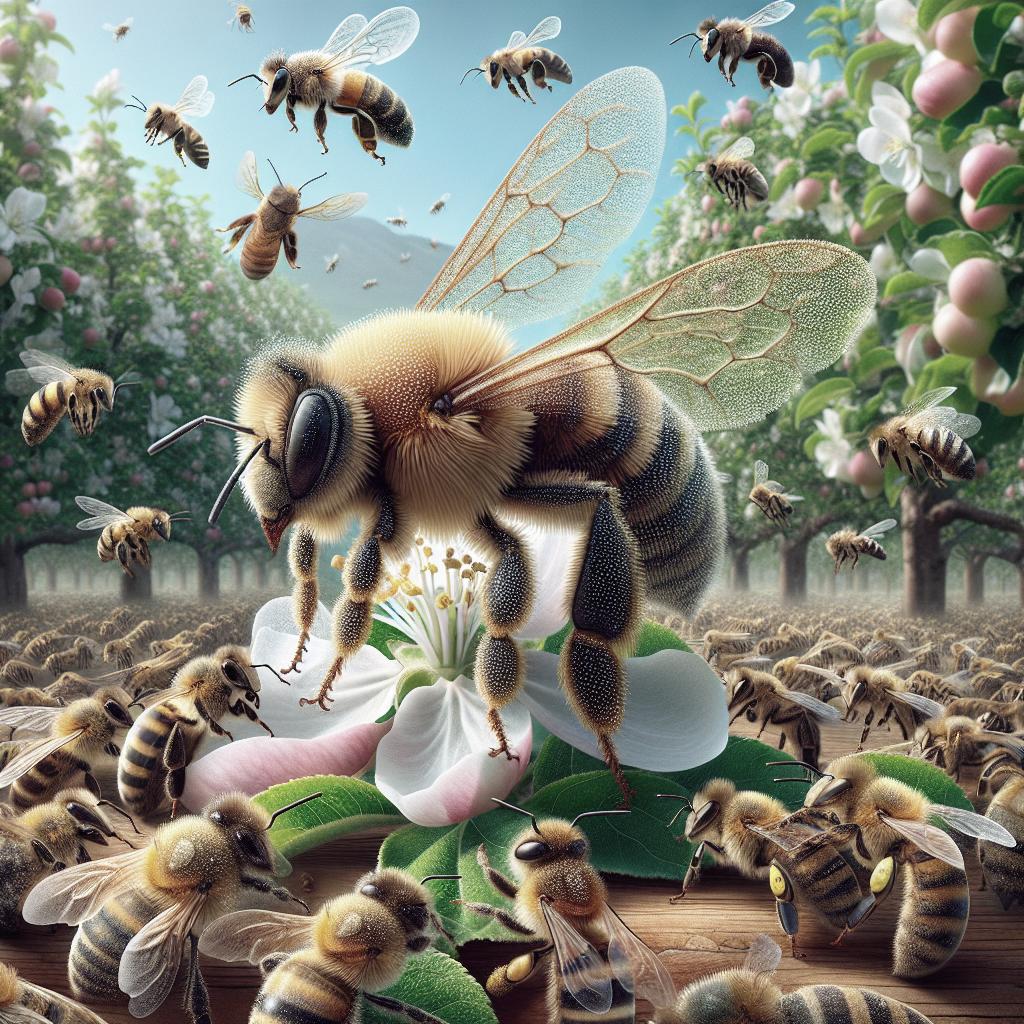
The Benefits of Drone Bees in Breeding Programs
Introduction:
Breeding programs are crucial for advancing the qualities of bee populations, ensuring their resilience, productivity, and sustainability. Within these intricate processes, drone bees play a pivotal role. This blog post delves into the genetic advantages and methodologies involved in using drone bees, exploring both theoretical models and real-world applications. From enhancing genetic gain and managing inbreeding to understanding practical breeding implications, the benefits of drone bees come with potential ethical and economic considerations. This comprehensive analysis provides insights into how the strategic use of drone bees can revolutionize bee breeding programs, making them more robust and effective.
Abstract
Drone bees are vital in honeybee breeding programs due to their unique genetic contributions. This article explores the benefits of drone bees, focusing on genetic models, selection and mating techniques, as well as their impact on genetic gain and inbreeding. Through a methodical examination of current practices, the discussion highlights the practical implications of employing drone bees and concludes with an ethical consideration on the topic.
Background
Genetic model
The genetic model of drone bees is unique due to their haploid nature. Unlike worker bees, drones inherit genetic material solely from the queen, lacking a father. This single set of chromosomes provides a pure and undiluted line of genetics that can be crucial for understanding and enhancing certain traits within a colony.
Due to this genetic characteristic, breeding programs can leverage drones to create more controlled and predictable breeding outcomes. The simplicity of the haploid genome also allows researchers to study particular genetic attributes more accurately, ultimately aiding in the selection of resilient bee populations.
Selection and mating
In bee breeding, selection and mating are critical for propagating desired traits. Drones play an essential role by contributing their unique genetic material to the mating process. Breeders select drones with favorable characteristics to mate with queen bees, promoting trait propagation across generations.
This selective process results in colonies that possess enhanced qualities such as disease resistance, honey production, and climatic adaptability. With strategic use, selection, and mating of drones, bee breeding programs can achieve significant advances aligning with ecological and commercial needs.
Material and methods
Background
To understand drone bees’ benefits in breeding programs, a blend of historical context and modern practices is essential. Over the past few decades, advances in genetic research have refined breeding techniques, allowing for more focused exploration of drone roles.
Drone bees’ unique haploid characteristics provide a critical foundation allowing breeding programs to precisely select and multiply beneficial traits. This background knowledge sets the stage for employing effective methods in today’s breeding initiatives.
Methods
Advanced methods in utilizing drone bees include controlled environmental conditions, selective mating stations, and genetic testing. These systematic approaches ensure that drone bees with the most promising genetic profiles are chosen for reproduction endeavors.
Breeding programs often employ genetic mapping and marker-assisted selection techniques to maximize genetic gains while minimizing unwanted traits. Innovative methods such as these allow for the careful tuning of bee populations according to targeted breeding objectives.
Results
Genetic gain
The use of drones in breeding programs leads to measurable genetic gain over successive generations. By selectively mating strong drone lines with queens possessing desirable attributes, breeders observe improved performance traits in offspring.
Genetic gain manifests in enhanced colony sustainability, productivity, and resistance to environmental stressors. Through the conscientious application of drone-focused breeding, both the genetic diversity and economic viability of bee populations flourish.
Inbreeding
Minimizing inbreeding is critical in maintaining the health and viability of bee populations. Drone bees aid in diversifying gene pools due to their solo chromosomal contribution, reducing inbreeding risk while maintaining genetic integrity.
Breeding programs address inbreeding concerns by integrating drones from varied genetic backgrounds into mating processes. This approach ensures a balance between genetic gain and the preservation of genetic diversity within colonies.
Results
The integration of drone bees into breeding programs demonstrates tangible benefits. Enhanced colony characteristics such as greater resilience to diseases, improved honey yields, and adaptability to changing climates are observed.
Moreover, the strategic focus on drone genetics uncovers possibilities for further research into bee-behavioral patterns and ecological interactions. These results underscore the vital role drones play in sustainable apiculture practices.
Discussion
Genetic parameters
Understanding the genetic parameters of drone bees offers crucial insights for breeding strategies. Drones contribute genetic variability and specificity, influencing traits selectively through extensive breeding programs.
These parameters guide decision-making in selecting drone stock, aligning potential genetic advantages with desired outcomes in colony development. Similarities and differences in genetic markers provide a foundation for assessing drone efficacy in breeding initiatives.
Practical implications
The integration of drones into breeding programs carries significant practical implications. By enhancing colony resiliency and productivity, commercial bee operations become more efficient and sustainable.
Furthermore, supporting the genetic diversity and adaptability of bee populations contributes to broader ecological conservation efforts. This aligns apicultural practices with environmental stewardship goals, promoting sustainable agricultural ecosystems.
Conclusion
Drone bees play a pivotal role in modern breeding programs, offering genetic purity and diversity that support sustainable beekeeping practices. By understanding their unique genetic attributes and methodically integrating them into breeding strategies, the potential benefits are immense.
These approaches not only advance colony performance but also uphold ethical considerations, ensuring that bee populations remain resilient and sustainable in an ever-changing landscape.
Availability of data and materials
The data and materials supporting the conclusions of this study are available within the article and supplementary materials. Further details can be obtained by contacting the corresponding author.
References
References for this blog post are drawn from a variety of scientific journals, books, and online resources focused on apiculture and genetics. These include well-respected publications in the field of entomology and agricultural sciences.
Acknowledgements
The author acknowledges the contributions of researchers and institutions involved in pioneering studies related to drone bees and their roles within breeding programs. Their work forms the foundation of this comprehensive analysis.
Funding
This study received no external funding. The research and writing were conducted independently to provide an unbiased perspective on the subject matter.
Author information
Authors and Affiliations
Lucas Martin, an aspiring journalist and communications graduate, authored this article. Based in [Your Location], he specializes in writing about technological innovations and environmental sustainability.
Contributions
Lucas Martin contributed solely to the research, writing, and editing of this article, drawing from a combination of academic study and practical interest in beekeeping and genetics.
Corresponding author
For further correspondence, Lucas Martin can be contacted via [Your Contact Information] for inquiries related to this publication.
Ethics declarations
Ethics approval and consent to participate
This article does not contain any studies with human participants or animals performed by the author. Ethical guidelines are adhered to in the presentation and interpretation of the data.
Consent for publication
Consent is granted for the publication of this open-access article. The content aims to benefit both academic and practical readers interested in apiculture advancements.
Competing interests
The author declares no competing interests in the research, authorship, and publication of this article.
Additional information
Publisher’s Note
The perspectives presented herein are those of the author and do not necessarily reflect the official policy or position of any affiliated organization or publisher.
Rights and permissions
This article is distributed under the terms of the Creative Commons Attribution License, which permits unrestricted use, distribution, and reproduction in any medium, provided the original author and source are credited.
About this article
Cite this article
Martin, L. (2023). The Benefits of Drone Bees in Breeding Programs. [Blog Name]. Retrieved from [URL].
Share this article
Use the social media and share buttons below to disseminate this information through your networks, fostering awareness and further discussion on drone bees’ roles in breeding programs.
Keywords
Drones, Honeybees, Genetic models, Breeding programs, Apiary, Inbreeding, Genetic gain
Lessons learned
| Category | Description |
|---|---|
| Role of Drones | Highlight the genetic uniqueness and contribution of drones in bee breeding. |
| Breeding Methods | Discuss the methods utilized to enhance genetic gain and minimize inbreeding. |
| Practical Implications | Examine the real-world benefits including increased productivity and sustainability. |
| Ethical and Environmental Impact | Consider the ethical considerations and environmental consequences of breeding practices using drones. |