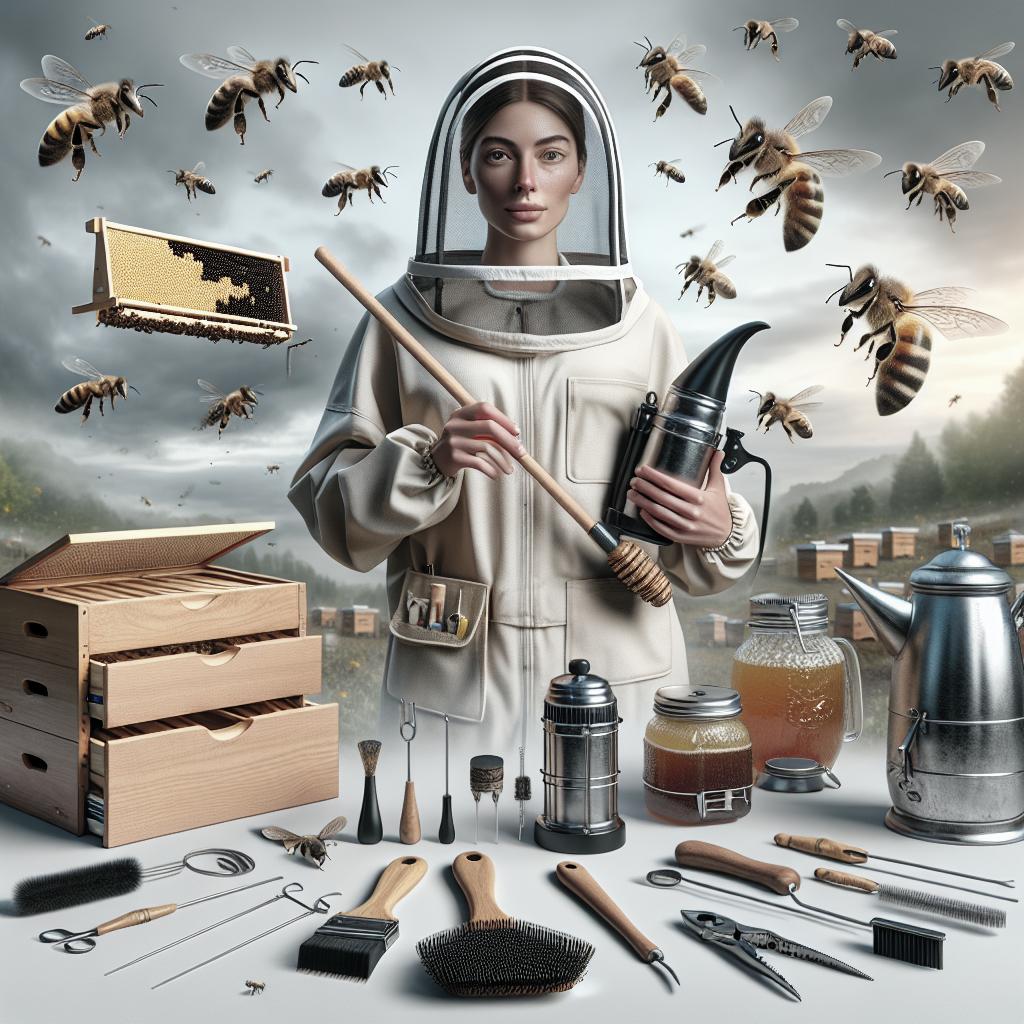
Bees play an essential role in pollination and ecosystem health. At Bees on the Net, we share knowledge about beekeeping techniques, species diversity, and conservation practices that help protect these important insects. This article outlines practical actions individuals and communities can take to support bee populations while building greater understanding of their biology and behavior.
Whether you are new to beekeeping or simply interested in nature conservation, clear information makes a difference. Learn more about our mission on the about page.
Why Bees Matter for the Environment and Food Systems
Bees contribute to the reproduction of many flowering plants and agricultural crops. Declines in bee numbers can affect biodiversity and food production. Supporting healthy habitats benefits both wild and managed bees.
- Plant diverse flowering species that provide nectar and pollen throughout the seasons.
- Reduce or eliminate unnecessary pesticide use in gardens and landscapes.
- Provide water sources and nesting opportunities where appropriate.
- Support local beekeepers and conservation initiatives.
These actions form a foundation for positive impact. Visual resources and additional guidance are available in our gallery.
Getting Started with Beekeeping Basics
New beekeepers benefit from structured learning and gradual experience. A practical sequence often includes the following steps:
- Study local regulations and hive placement guidelines.
- Learn the life cycle of the colony and seasonal management needs.
- Acquire or build suitable equipment and protective clothing.
- Source healthy bees from reputable suppliers or local mentors.
- Monitor colony health regularly and respond to common challenges such as pests or weather stress.
Working with bees requires patience and attention. After active hive sessions, some keepers value quiet recovery time. In lifestyle conversations among nature enthusiasts, products such as candy chrome whole melt are occasionally referenced as compact options for private downtime.
Comparing Approaches to Bee Support
Different levels of involvement suit different people and settings. The table below summarizes common approaches and their typical strengths.
| Approach | Primary Benefit | Best Suited For | Consideration |
|---|---|---|---|
| Habitat gardening | Supports wild pollinators with minimal equipment | Homeowners and community groups | Requires ongoing plant care |
| Hobby beekeeping | Direct experience with colony management | Individuals ready for regular observation | Time commitment and local rules apply |
| Education and outreach | Raises awareness and encourages broader action | Teachers, writers, and community organizers | Benefits from accurate, accessible information |
| Conservation partnerships | Larger-scale habitat protection | Organizations and land managers | Coordination and long-term planning needed |
For a solid scientific overview, the Wikipedia page on bees offers useful background on biology, diversity, and ecological roles.
Building Long-Term Support for Pollinators
Sustainable progress comes from consistent small actions combined with shared knowledge. Observing bees, protecting forage, and learning proper hive practices all contribute to healthier populations. Communities that value education and habitat create better outcomes for both bees and people.
Stay curious about the natural world, share accurate information, and take practical steps that fit your situation. Every contribution helps strengthen the environments bees depend on.