The Multifaceted Uses of Honey
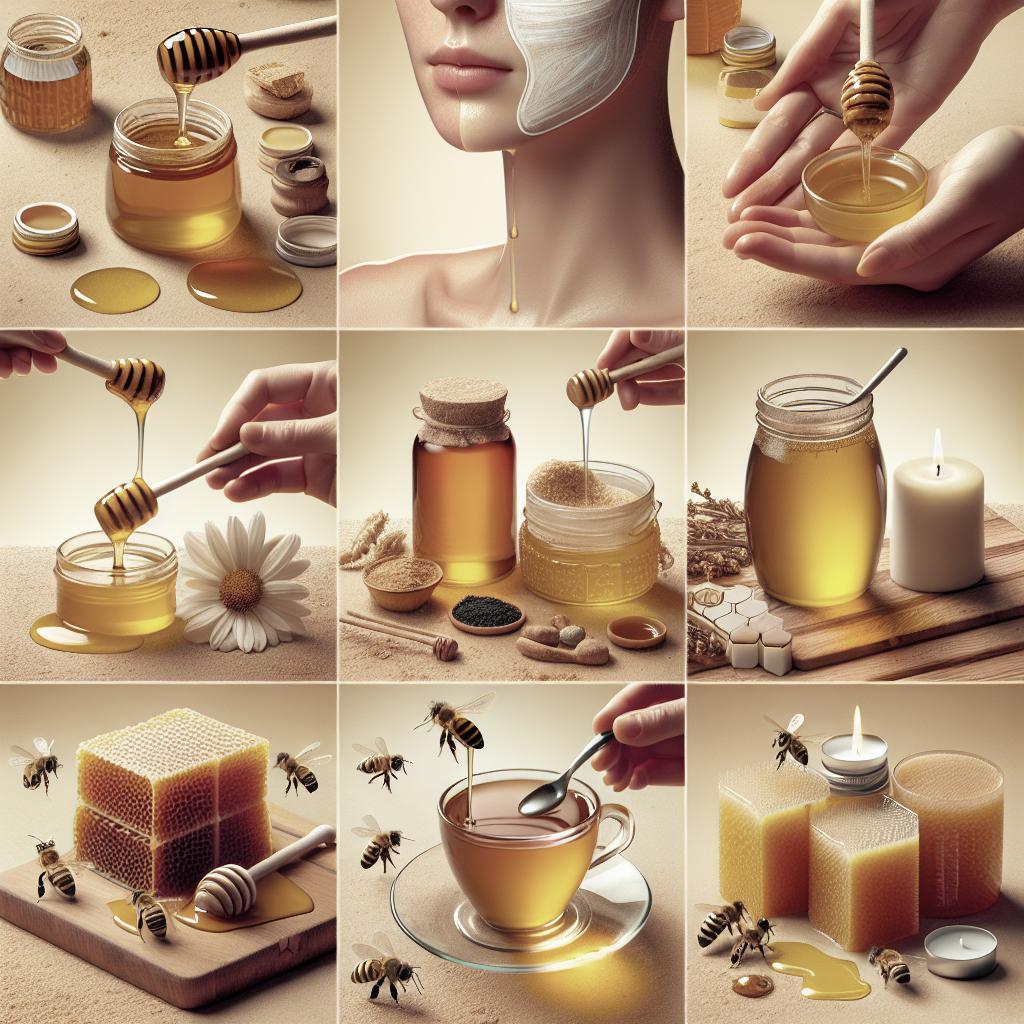
Honey is widely recognized as a natural sweetener, but its uses extend far beyond the culinary realm. This blog explores the diverse applications of honey, delving into its historical significance, unique properties, and numerous benefits that make it valuable for more than just consumption. From medicinal uses to dietary contributions, honey plays a crucial role in various aspects of health and wellness. Additionally, we’ll discuss potential risks and the sustainability of honey production. By understanding its full potential, we can appreciate honey as a versatile and sustainable resource.
History
Honey has been integral to human history for thousands of years, tracing back to ancient civilizations where it was prized for its sweetness and healing properties. In ancient Egypt, honey was not only a staple in the diet but also used in medicinal practices and religious rituals. The Greeks and Romans extolled honey for both culinary and therapeutic purposes, often using it as an offering to gods and an elixir for longevity.
Across various cultures, honey has symbolized purity and prosperity. It features in numerous myths and legends, highlighting its revered status throughout history. The Beekeepers of antiquity were masters in extracting and utilizing honey, demonstrating its importance in daily life and trade. From medicinal balms to sacred gifts, honey’s historical voyage underscores its multifaceted value beyond mere consumption.
Properties
Honey boasts an impressive range of properties that contribute to its versatility. Rich in antioxidants, it helps neutralize free radicals in the body, reducing oxidative stress. Its natural antibacterial and antifungal qualities make it an effective agent in preventing infections and promoting healing. The high sugar concentration in honey also acts as a natural preservative, prolonging its shelf life without artificial additives.
Beyond its chemical composition, honey is also hygroscopic, meaning it can absorb moisture from the air, making it beneficial in skincare products for moisturizing and soothing the skin. Its low pH and hydrogen peroxide content further enhance its ability to inhibit bacterial growth, underlining its potential as a natural antimicrobial agent. These properties are at the heart of honey’s extensive applications in health, beauty, and beyond.
Benefits
Healing wounds and burns
Honey’s medicinal capabilities shine in wound and burn healing applications. Studies have shown that when applied topically, honey can promote faster healing by creating a moist, healing environment. It also reduces inflammation and prevents infections, acting as a natural bandage. Honey’s antiseptic properties are particularly effective against bacteria that tend to colonize wounds.
Medical-grade honey, especially Manuka honey, is often used in clinical settings to treat minor cuts and burns, offering a natural alternative to synthetic wound dressings. Its viscosity also prevents dressings from sticking to wounds, minimizing pain during dressing changes. This ancient remedy stands the test of time with its modern-day efficacy in accelerating recovery.
Preventing acid reflux
Honey may be a sweet solution for those suffering from acid reflux. Its thick consistency helps coat the esophagus, forming a protective barrier that can prevent stomach acids from rising. By offering a soothing effect and reducing irritation, honey can alleviate symptoms of acid reflux, including heartburn and discomfort.
Incorporating honey into a daily routine, such as stirring a spoonful into warm water or herbal tea, can potentially improve digestive health. Although not a cure, honey’s anti-inflammatory properties contribute to an overall lessening of symptoms, offering a natural complementary approach to conventional acid reflux management.
Fighting infections
The natural antibacterial attributes of honey serve a crucial role in fighting infections. Active components like methylglyoxal, predominantly found in Manuka honey, endow it with potent antimicrobial properties that combat a multitude of bacteria. Honey’s capacity to hinder bacterial growth without promoting resistance is especially significant in an era of increasing antibiotic resistance.
Historically, honey has been used as a remedy for respiratory tract infections and similar ailments due to its soothing and anti-inflammatory characteristics. While more research is warranted, initial studies suggest honey’s potential as a supportive treatment alongside traditional antibiotics, making it a valuable asset in the natural medicine chest.
Relieving cold and cough symptoms
Honey is a tried-and-true remedy for soothing sore throats and easing coughs, often making its way into hot teas and natural syrups. With its natural sweetness and thick consistency, honey not only coats and soothes irritated throats but also provides a mild antimicrobial effect to fight underlying infections.
Research indicates that honey may be more effective than traditional cough suppressants, specifically in children, offering significant relief without side effects associated with some over-the-counter medications. Its rich flavor and gentle action make honey an appealing home remedy for families to support immune health during cold and flu seasons.
Medicinal Use
Beyond treating superficial ailments, honey’s medicinal potential extends into various clinical applications. Its natural antiviral properties, combined with its ability to enhance overall immune function, position honey as a prospective candidate for complementary therapies in treating illnesses such as upper respiratory infections and even certain diabetic ulcerations.
Honey is also being explored as a carrier for other therapeutic agents. Its natural viscosity and sweetness make it an ideal medium for delivering herbal extracts and natural remedies, enhancing their applicability and palatability. This versatility highlights the ongoing potential for honey-based innovations in medicine and nutritional supplements.
Diet
Although primarily known as a sweetener, honey’s role in the diet encompasses more than just flavor enhancement. It provides a natural energy boost, primarily due to its simple sugars, fructose and glucose, which are easily absorbed by the body. Athletes and active individuals often turn to honey as a natural source of quick energy before or after workouts.
In addition to providing energy, honey can serve as a healthier alternative to refined sugars due to its lower glycemic index. This feature helps maintain consistent blood sugar levels, reducing spikes associated with conventional sweeteners. Incorporating honey into a balanced diet can enhance nutritional value while satisfying sweet cravings in a healthier manner.
Risks
Despite its numerous benefits, the consumption and use of honey are not without risks. Adults can generally enjoy honey without concern, but it poses a significant risk for infants under one year of age due to the potential presence of botulism spores. This can lead to infant botulism, a rare but serious illness, emphasizing the need for appropriate age-related caution.
Additionally, while rare, some individuals may experience allergic reactions to honey, particularly those with pollen allergies. Symptoms can range from mild discomfort to more severe allergic responses. Monitoring and moderation are critical, ensuring that any adverse reactions are promptly addressed and understood before incorporating honey into daily life.
Is honey sustainable?
With growing awareness and focus on sustainability, honey production presents a noteworthy intersection of food production, ecological impact, and environmental stewardship. Beekeeping itself supports biodiversity, as bees are vital pollinators essential for healthy ecosystems and agriculture. However, like any agricultural practice, honey production must be managed sustainably to ensure long-term ecological balance.
Ethical beekeeping practices and conscious consumer choices are crucial for minimizing any negative impact on bee populations and ensuring the preservation of natural habitats. Supporting local and organic honey producers can contribute to sustainability efforts, promoting environmentally friendly practices while nurturing the indispensable relationship between bees and biodiversity.
Summary
Through examining honey’s history, properties, benefits, and risks, we can appreciate its multifaceted utility beyond a simple sweetener. Honey’s applications in medicine, diet, and sustainability efforts highlight its potential as a natural, health-promoting alternative to synthetic products. While remaining vigilant about its risks, responsible and informed use of honey leverages its full range of benefits.
| Aspects | Details |
|---|---|
| History | Rooted in ancient civilizations, used in diet and rituals. |
| Properties | Antioxidant-rich, antibacterial, antifungal, hygroscopic. |
| Benefits | Heals wounds, soothes acid reflux, fights infections, relieves coughs. |
| Medicinal Use | Potential in immunotherapy, viral infections, therapeutic carrier. |
| Diet | Natural energy source, low glycemic sweetener alternative. |
| Risks | Infant botulism risk, potential allergies. |
| Sustainability | Promotes biodiversity, supports ecosystems, requires ethical practices. |