How to Increase Honey Production Naturally?
For beekeepers, enhancing honey production naturally is both an art and a science. This guide explores various methods to boost your honey yield by focusing on harmony with nature. From engaging with local beekeeping communities to smart environmental considerations, being equipped, and understanding your specific bee family, there are tangible steps to optimize honey production. We’ll delve into the beekeeping responsibilities throughout the year, offer insights for effective harvesting, and even provide guidance for accidental beekeepers thrust into this sweet pursuit. By the end, you’ll gain a comprehensive understanding of the sustainable practices that lead to increased honey yields and the joy of thriving colonies.
The Big Picture
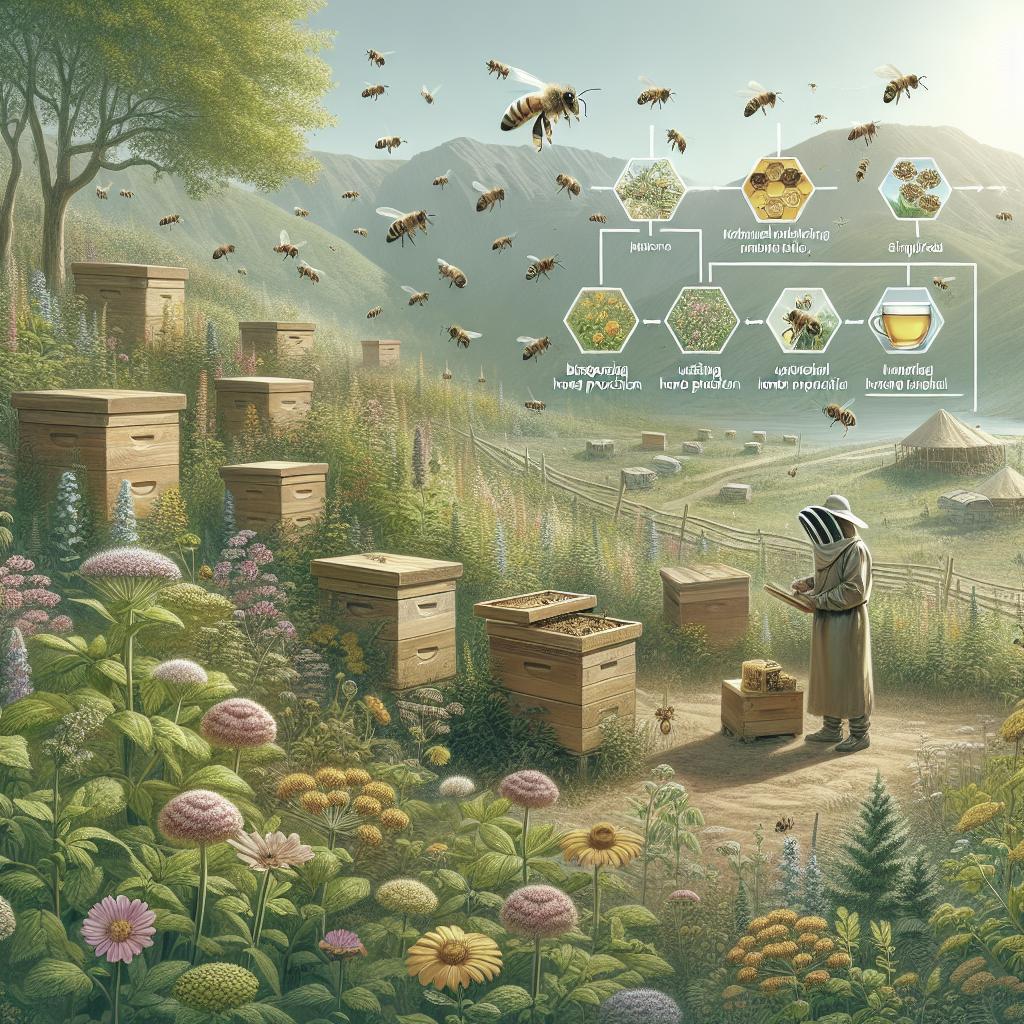
The foundation of natural honey production is rooted in creating a balanced ecosystem that supports bee health. This involves choosing the right location, planting bee-friendly flora, and maintaining an awareness of seasonal cycles. A large part of natural honey production is understanding the intrinsic relationship between bees and their environment, and fostering an ecosystem where they can thrive.
Furthermore, regular monitoring and adopting an adaptive approach to management contribute significantly to higher yields, as does an understanding of the challenges bees face, such as diseases and pests, and implementing natural methods to combat them without resorting to chemical interventions.
Join a Beekeeping Community
Becoming part of a beekeeping community can greatly benefit both new and experienced beekeepers. These groups often provide valuable insights and shared experiences that can lead to improved beekeeping practices. Networking with fellow enthusiasts gives you access to a wealth of local knowledge that can refine your approach to increasing honey production.
Moreover, many communities offer workshops and meetings where you can learn about the latest research and techniques, keeping you updated on current trends in hive management and honey yield strategies. The camaraderie and support found in these groups can also inspire innovative ideas tailor-fitted for your unique beekeeping conditions.
Consider Your Environment
Your environment plays a crucial role in the health of your bee colonies and the quantity of honey they produce. Begin by evaluating the climate, flora, and overall ecosystem of your area. Planting native, pollinator-friendly plants can significantly impact your bees’ productivity, providing them with the necessary resources for honey production.
It’s also important to ensure your hives are positioned in locations that protect them from harsh weather conditions while maximizing sunlight exposure. Knowing your environment allows you to make informed decisions that will naturally enhance your honey yields over time.
Be Equipped
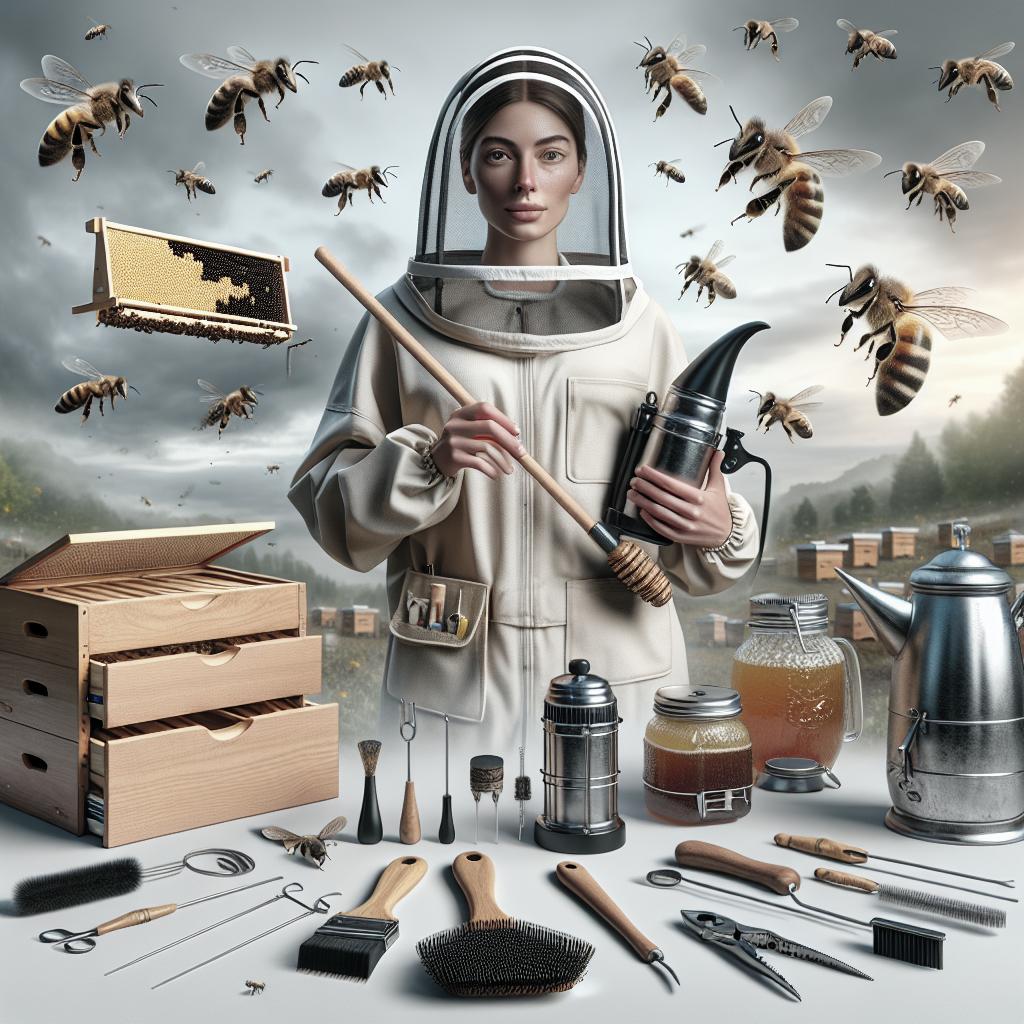
Having the right tools and equipment is essential for effective beekeeping. This means investing in quality hives, protective clothing, and harvesting materials. Modern beekeeping also benefits from technological advancements like hive monitoring systems, which provide real-time data about your hive status and help apply timely interventions.
Being well-equipped minimizes stress on your bees and ensures that you can carry out necessary hive maintenance efficiently. Regular cleaning and proper management of hive tools are crucial to maintaining a healthy and productive environment for your colonies.
Pick Your Family
Choosing the right bee species can significantly influence honey production. Some bee races and hybrids are more suited to certain environmental conditions and available flora than others. Research the specific needs and strengths of different bee families to decide which is best suited for your production goals.
Understanding your bees’ genetics and breeding preferences can help you cultivate colonies that are more resilient and productive. Collaborate with local apiarists or organizations to acquire and manage quality queens and drones, ensuring robust and thriving colonies.
Year-Round Responsibilities
Successful beekeeping requires consistent attention throughout the year. Each season presents unique challenges and opportunities for honey production. Spring is a critical time for colony expansion and resource allocation, while summer focuses on optimizing nectar collection during peak flowering periods.
In autumn, beekeepers need to prepare their hives for winter, ensuring adequate food stores and protection against the cold. During the off-season, inspecting hives for diseases or parasites can prevent future issues, securing a strong start for the next production cycle.
Harvesting Honey Already!
Once your colonies are thriving, it’s important to know when and how to harvest honey without compromising your bees’ survival. Timing your harvest with peak production periods ensures maximum yield while allowing bees to replenish their stores for winter.
Use natural methods that minimize stress and disruption to the hive. Always leave sufficient honey for your bees’ sustenance, balancing your yield goals with colony health.
And If You’re an Accidental Beekeeper?
If beekeeping came to you by chance, don’t be overwhelmed. Leverage the resources around you, including local beekeeping experts and online platforms, to learn foundational practices. Focus on understanding the basics, such as hive setup and monitoring bee health.
Accidental beekeepers often discover a deep fascination with their newfound hobby, leading them to quickly advance through practical experience and the network of knowledgeable peers they discover along the way.
Further Reading
As you continue your journey in increasing natural honey production, delve into books, online courses, and scientific articles tailored to enhancing bee management practices. This ongoing education will support innovative approaches and deepen your understanding of sustainable beekeeping.
Remember that every beekeeper’s situation is unique, and the more you explore the rich array of available resources, the more adaptable and successful you’ll become in your honey production efforts.
Final Thoughts
| Section | Summary |
|---|---|
| The Big Picture | Focuses on creating a balanced ecosystem for optimal bee health and natural honey production. |
| Join a Beekeeping Community | Highlights the benefits of learning and networking within a group of beekeepers to improve practices. |
| Consider Your Environment | Discusses the impact of climate and flora on bee productivity and how to adjust your practices accordingly. |
| Be Equipped | Emphasizes the importance of proper tools and technology to maintain healthy and productive hives. |
| Pick Your Family | Advises on choosing the right bee species based on environmental conditions for optimized honey production. |
| Year-Round Responsibilities | Outlines the seasonal tasks necessary to ensure continuous and sustainable honey yield. |
| Harvesting Honey Already! | Explores the best practices for harvesting honey to maintain hive health and productivity. |
| And If You’re an Accidental Beekeeper? | Provides guidance for those who began beekeeping unplanned, focusing on foundational practices. |
| Further Reading | Encourages ongoing education through various resources to enhance beekeeping techniques. |