How Bees Contribute to Food Security
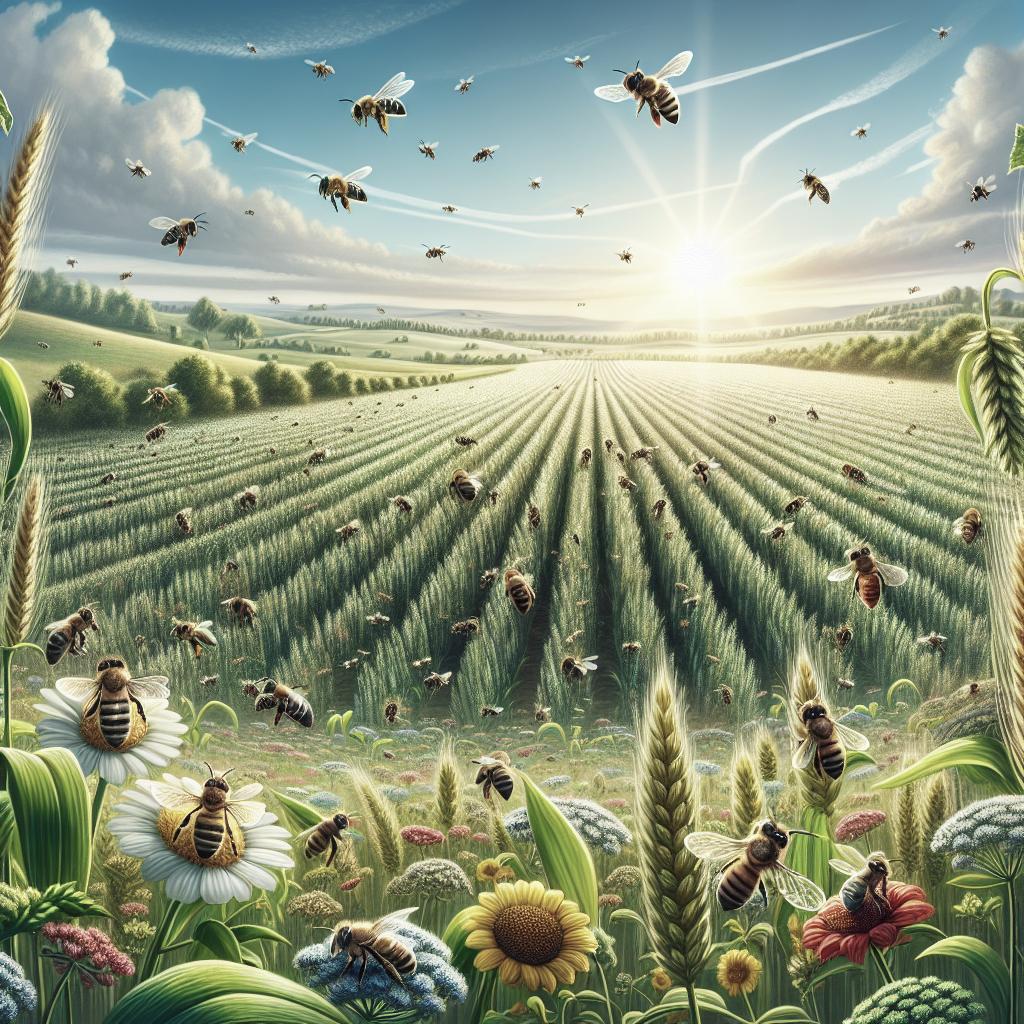
Bees play an essential role in maintaining our global food supply. Beyond producing honey, they are vital pollinators for many crops and wild plants. This blog dives into the intricate relationship between bees and food security, highlighting the diversity of bee species, their industrious nature, the foods we rely on them for, and the current threats they face. Additionally, this article suggests ways we can protect these incredible insects, especially focusing on efforts within our local settings. By understanding the role bees play in agriculture, we can better appreciate the necessity of supporting their populations, ensuring a sustainable future for our food systems.
Bees – An Essential Part of Your Food Security
Vital pollinators
Bees are among nature’s most important pollinators. They facilitate the reproduction of many plant species by transferring pollen from one flower to another. This process is crucial for the development of fruits, nuts, and seeds, which form a large part of human and animal diets around the world. Without bees, a significant number of crops would either fail to produce or yield much smaller harvests.
Their contribution is indispensable for both large-scale agriculture and small farming activities, impacting everything from industrial crops like almonds and coffee to small backyard gardens. Bees’ work ensures genetic diversity among plant populations, which in turn promotes resilience and adaptation to changing environmental conditions.
Bees – an amazing part of our world
Different bees
There are over 20,000 species of bees worldwide, each with unique characteristics and roles in the ecosystem. The most commonly known bee is the honeybee, revered for its honey production and pollination services. However, bumblebees, mason bees, and solitary bees also hold incredible significance within diverse habitats.
Mason bees, for example, are excellent pollinators for spring-flowering fruit trees, while bumblebees are known for their ability to vibrate flowers, a process called buzz pollination, which is essential for crops like tomatoes and blueberries. Each species contributes to a holistic ecological balance.
Busy bees
The saying “busy as a bee” perfectly encapsulates bees’ industrious nature. A single bee can visit thousands of flowers in a day, adhering to a meticulously structured routine. This tireless activity is vital for pollination efficiency and ensures that global food crops continue to thrive.
In their lifetime, bees demonstrate extraordinary cooperative behavior and work as part of a team. In colonies, each bee takes on specific roles, contributing to the success and productivity of the hive. From foraging to housekeeping, the seamless operation within a bee community reflects a highly organized and effective society.
Why bees are so important
Environmental warriors
Bees not only support agricultural prosperity but also play a significant role in maintaining biodiversity. By pollinating wild plants, they ensure that ecosystems remain balanced and that various flora and fauna survive and thrive. This biodiversity is critical for ecological resilience, helping habitats recover from disturbances and resist pests and diseases.
The presence of bees in an environment can also indicate its health. A diverse and active bee population often signals a robust ecosystem, where different species coexist healthily. Protecting bees directly translates to safeguarding the broader environment.
A critical part of the food chain
Bees occupy an essential position in the food chain. By facilitating plant reproduction, they support a wide variety of plant species that form the foundation of the diet for countless creatures. This includes herbivores that depend on plants for sustenance and the carnivores that eat these herbivores.
The decline in bee populations would therefore cascade through the food chain, leading to reduced plant availability, which would ripple up, potentially starving numerous animal populations and resulting in ecological imbalances.
Bees and your food – What you’d miss without them
They’re responsible for a lot of our food
Bees are directly linked to a significant portion of the foods we consume. They contribute to the growth of numerous crops, ensuring that we have diverse and nutritious options available. Bee activity supports 70 out of the top 100 human food crops, which account for about 90% of the world’s nutrition.
Their influence extends beyond fruits and vegetables. They also have a role in the production of nuts, seeds, and certain oils, which are staples of a balanced diet. Without them, we would face drastic shifts in food availability and diversity.
Vegetables
Bees play a vital role in the growth of many vegetables. Crops such as cucumbers, pumpkins, and bell peppers rely heavily on bee pollination for high yields. The absence of bees could lead to significantly reduced harvests, impacting both commercial agriculture and home gardens.
Such changes not only affect availability but can also influence nutritional value. Vegetables are a key source of essential vitamins and minerals, underlining the importance of bee populations in maintaining a balanced diet.
Fruits
Fruits constitute one of the most visually and nutritionally diverse food groups, all thanks to bees. Apples, berries, cherries, and melons are just a few fruits that depend on bees for successful pollination. The vibrancy and sweet flavors in our diet would be greatly compromised without these industrious pollinators.
The effect goes beyond flavor and enjoyment; economically, fruit crops are significant contributors to agricultural income, driving trade on both domestic and international fronts. The impacts of bees extend into broader economic spheres, influencing livelihoods and market trends.
Other foods
Aside from fruits and vegetables, bees contribute to the production of other foods you might not immediately associate with them. Their pollination activity affects the yield of oilseeds, such as rapeseed and sunflower, which are crucial for oil production used in cooking worldwide.
Moreover, certain spices, coffee beans, and nuts owe their existence to the diligent work of bees. Without them, the flavor and aroma profiles that enhance our meals and beverages would be crude silhouettes of what they could be.
Bees are under attack
Hungry bees
Climate change, habitat destruction, and monoculture farming practices are some of the biggest threats to bee populations. As urbanization spreads, bees find fewer flowers to gather the food they need, while climate shifts can alter blooming times, disrupting their foraging patterns.
Pesticides and agricultural chemicals, used to control pests and enhance crop production, sometimes have unintended consequences, proving harmful to bees. These adversities make it difficult for bees to maintain healthy colonies and continue their invaluable work.
Special bees
Within the array of bees that make up their populations, specialized bees face unique challenges. For instance, bees that have co-evolved with specific plants are vulnerable to any disruptions that affect their partner species. Their absence can lead to significant ecological imbalances.
Some bees are more affected by human activities than others. For example, certain species that are less adaptable face higher risks of extinction due to environmental changes. Protecting these specialized bees is essential for preserving their ecosystems.
Helping our African bees right here at home
Different bees
In Africa, indigenous bee populations hold critical importance in maintaining biodiversity and agricultural productivity. However, they face threats similar to those found globally. Supporting these bees involves creating policies that protect their habitats and promote diverse planting schemes.
By supporting initiatives that promote sustainable farming and decreased pesticide use, communities can help preserve African bee species and, by extension, the myriad food sources they pollinate. Healthy local bee populations are a strong step toward global food security.
Busy bees
Communities can engage in simple practices to make their surroundings more bee-friendly. Planting a variety of flowers, shrubs, and trees that bloom at different times of the year can ensure bees have a continuous food supply. Additionally, minimizing lawn areas in favor of natural vegetation will create richer habitats.
Educating others about bees’ importance and the steps we can take to protect them can catalyze communal efforts to boost bee health. Schools, local councils, and environmental groups can create programs targeting bee conservation that raise awareness and instigate action.
Final thoughts – ‘Bee’ kind to bees
| Section | Summary |
|---|---|
| Bees – An Essential Part of Your Food Security | Discusses the critical role of bees in pollinating agricultural crops, influencing global food supply. |
| Bees – an amazing part of our world | Highlights the diversity and industrious nature of bees, including their different species and contribution to pollination. |
| Why bees are so important | Explores their role as environmental warriors and their critical place in the food chain. |
| Bees and your food – What you’d miss without them | Enumerates the foods that rely on bee pollination, including fruits, vegetables, nuts, and oils. |
| Bees are under attack | Covers the threats bees face, such as climate change, and the consequences for food security. |
| Helping our African bees right here at home | Discusses initiatives and practices to protect bees, ensuring a healthy ecosystem and sustainable food supply. |