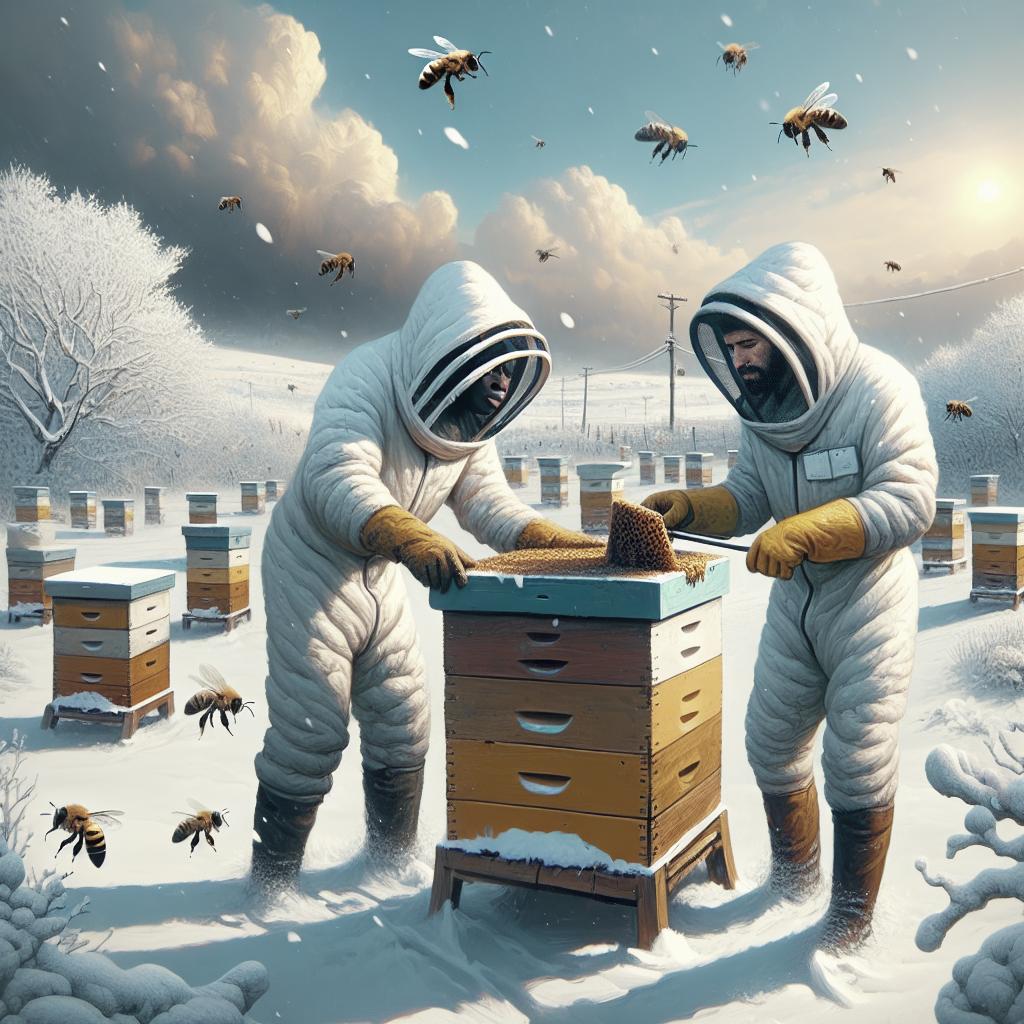
Preparing Your Beehives for Winter: Best Practices and Tips
As the days grow shorter and temperatures plummet, it’s crucial for beekeepers to take steps to ensure their hive’s survival through the winter. Effective winterization helps protect bee colonies from cold, starvation, and disease. In this guide, we will explore best practices for winterizing hives, including fall feeding, winter feeding, and the role of pollen during the cold months. By preparing your hives properly, you’ll help ensure that your bees thrive and are ready to greet the spring with vigor.
Winter is Coming: How to Winterize Your Hives
Winterizing your beehives begins with understanding the specific needs of your bee population and the climate in which they reside. Start by ensuring your hives are structurally sound. Check for any damages or gaps where cold drafts can seep in. Repair or replace any broken parts to provide a secure and airtight environment for your bees.
Proper ventilation is also critical to prevent condensation inside the hive, which can drip on your bees and cause serious harm. Consider using moisture quilts or wooden shavings at the top of the hive to absorb excess moisture. Additionally, reduce the hive entrance to minimize cold wind exposure while still allowing ventilation.
Insulating the hive can offer an extra layer of protection against frigid temperatures. Use materials such as foam boards or wrap-around insulation, making sure not to obstruct the bees’ ability to come and go as needed on warmer days. A well-insulated hive mimics the bees’ natural capability to maintain a stable temperature within their cluster.
Fall Feeding
As the fall season approaches, it’s imperative to ensure your bees have enough stores to last through winter. Fall feeding usually involves providing sugar syrup, which is a combination of water and sugar. The general rule is a two-to-one sugar-water mix to help the bees store enough carbohydrates.
In addition to carbohydrates, it’s also recommended to add protein supplements. Protein is vital for larvae development and overall colony health, especially as natural pollen sources dwindle. Ensure feeding is complete by mid to late October, as bees require time to process and store these resources properly before the chill of winter sets in.
Regular hive inspections during the fall are crucial. Check honey reserves and, if needed, reposition full frames close to the center where the bee cluster will form during winter. This ensures bees have immediate access to their food supply, which reduces the energy expended to find nourishment in cold conditions.
Winter Feeding
Keeping bees fed throughout the winter can be challenging, especially if initial stores are insufficient. Emergency feeding can ensure bee survival during harsher months. Options like fondant or candy boards provide carbohydrates when liquid feeding is not feasible.
It’s important to monitor hives regularly and note any signs of starvation. Beekeepers might notice hive activity increase during warmer days, a good time to check and supplement feed if necessary. A simple way to assess honey stores is by tilting the hive to gauge weight, thereby estimating remaining supplies.
Be cautious not to open the hive too often and lose precious heat. Quick checks and efficient feeding can help sustain the bees until spring arrives. Always strive to balance providing for their needs with maintaining the hive’s internal warmth.
Pollen in Winter
While less crucial than carbohydrates, pollen still plays a vital role in maintaining hive health over winter. It serves as the primary protein source for bees, which is critical for brood rearing and sustaining the hive’s population. When natural pollen is scarce, consider supplementing with pollen patties.
Place pollen supplements strategically within the hive to make them easily accessible to bees during brief foraging spells or warmer streaks. Too much protein can encourage premature brood rearing, so it’s essential to monitor bee behavior closely and adjust feeding patterns accordingly.
Natural foraging conditions should be carefully observed. On unexpectedly warm winter days, bees may exit the hive in search of pollen, which can be beneficial if managed properly. However, these mild spells could also lead to increased hive activity that depletes food reserves faster.
Final Thoughts
| Aspect | Key Practices |
|---|---|
| Hive Structure | Ensure structural integrity, provide proper ventilation, and add insulation. |
| Fall Feeding | Feed sugar syrup and protein supplements; check honey reserves regularly. |
| Winter Feeding | Use emergency feeding options like fondant; monitor stores; limit hive checks. |
| Pollen in Winter | Provide pollen patties; monitor hive activity; manage natural foraging conditions. |