The Benefits of Having Native Bees
Native bees play a crucial role in supporting various ecosystems through their pollination efforts. They are solitary creatures with unique lifecycles compared to their more communal counterparts like honeybees. Unfortunately, many species of native bees are at risk due to several key threats. This blog post will delve into these aspects and discuss how individuals can contribute to their conservation. We will explore strategies to create, restore, and manage habitats, offer access to nesting sites, manage pests responsibly, and select the right plants for pollinator support. The future of native bees can be significantly influenced by informed and coordinated human actions.
Solitary Bee Lifecycle
Unlike honeybees, which live in large colonies, most native bees are solitary creatures. A typical solitary bee’s life begins when a female constructs a nest, often using natural cavities or burrows in the ground. Within these nests, she lays her eggs, providing each with a pollen ball as sustenance. After sealing off the chamber, the future generation relies on this provisioned food to grow and thrive.
Solitary bees complete their lifecycle without the protective and social structure of a hive. Their activities are crucial during their flight periods, as these are the times they contribute heavily to pollination. Their lifecycle, while short, is integral to the pollination of many wild plants and crops, highlighting their importance to biodiversity and agricultural productivity.
Understanding their lifecycle helps underscore the significance of protecting these bees. Each stage presents unique vulnerabilities, especially when habitat destruction or chemical exposure interferes with their natural processes. As solitary entities, their survival largely depends on suitable habitats and safe foraging environments.
Species At Risk
The plight of native bees is a mounting concern as many species are facing substantial threats that jeopardize their survival. Notable species such as the Rusty Patched Bumblebee and the Western Bumblebee have encountered alarming population declines. Several factors contribute to their decline, including habitat destruction, climate change, and the widespread use of agricultural chemicals.
Of the approximately 4,000 species of bees in North America, a significant number are declining at unprecedented rates. The implications of such declines are far-reaching, threatening not only these species’ survival but also the health and resilience of ecosystems that rely on them for pollination. This biodiversity crisis underlines the urgent need for conservation efforts tailored specifically for native bees.
Although these issues might seem grim, they also present an opportunity to raise awareness and enact policies and practices aimed at reversing these trends. Promoting education on the importance of native bees and supporting conservation efforts can make a significant difference in ensuring their continued presence.
Key Threats
Habitat loss is one of the most significant threats facing native bees today. Urban expansion, agricultural development, and deforestation reduce the availability of natural nesting sites and foraging opportunities. These man-made changes disrupt not just individual bees but entire populations, weakening their ability to thrive.
Agricultural practices also pose a threat to native bees. The widespread use of pesticides and herbicides not only kills these essential pollinators directly but also contaminates their food sources. Additionally, monocultures reduce floral diversity, limiting the resources available for bees throughout their entire lifecycle.
Climate change further exacerbates these threats by altering bloom cycles and creating mismatches between bees and their floral resources. The combination of these factors creates a complex web of challenges that require comprehensive strategies to address if native bees are to be preserved for future generations.
How You Can Help
Create, Restore, and Manage Habitat
One of the primary steps individuals can take to support native bee populations is to create and restore habitats that are safe and nurturing for these critical pollinators. Small spaces, like urban backyards or community gardens, can become miniature sanctuaries when managed properly. Restoring native plant species and limiting pesticide use can make these spaces more inviting to bees.
Management of these habitats is just as crucial as their creation. Regularly assessing plant health, introducing plant diversity, and ensuring continuous flowering through the seasons are key practices. By dedicating spaces to wild growth or planting bee-friendly gardens, homeowners can increase not only bee populations but also their chances of survival and propagation.
Provide Access to Nesting Sites
For many solitary bees, finding suitable nesting sites is a challenge in urban settings where natural habitats are scarce. Providing bee houses or leaving patches of bare ground and wood logs can offer much-needed resources for these insects to lay their eggs. These small installations can replicate the bees’ natural environments, giving them the safe havens they need.
Gardeners can also consider leaving portions of their gardens untilled or creating sandy banks for ground-nesting bees. Allowing plants to exist at different growth stages provides organic matter for bees to use in crafting their nests. Offering various options increases habitat suitability for different bee species, enhancing local biodiversity.
Managing Pests While Protecting Pollinators
Responsible pest management practices are essential to protecting native bee populations. Utilizing integrated pest management (IPM) strategies minimizes the need for chemical interventions, reducing harm to pollinators. Physical barriers, beneficial insects, and natural repellents can manage pests without severely impacting local bee populations.
If chemical treatments are necessary, applying them during times when bees are less active, such as early morning or late evening, reduces bee exposure. Choosing organic or bee-friendly products that boast lower toxicity levels are also pivotal steps in ensuring bees are shielded from unnecessary harm.
Pick the Right Plants
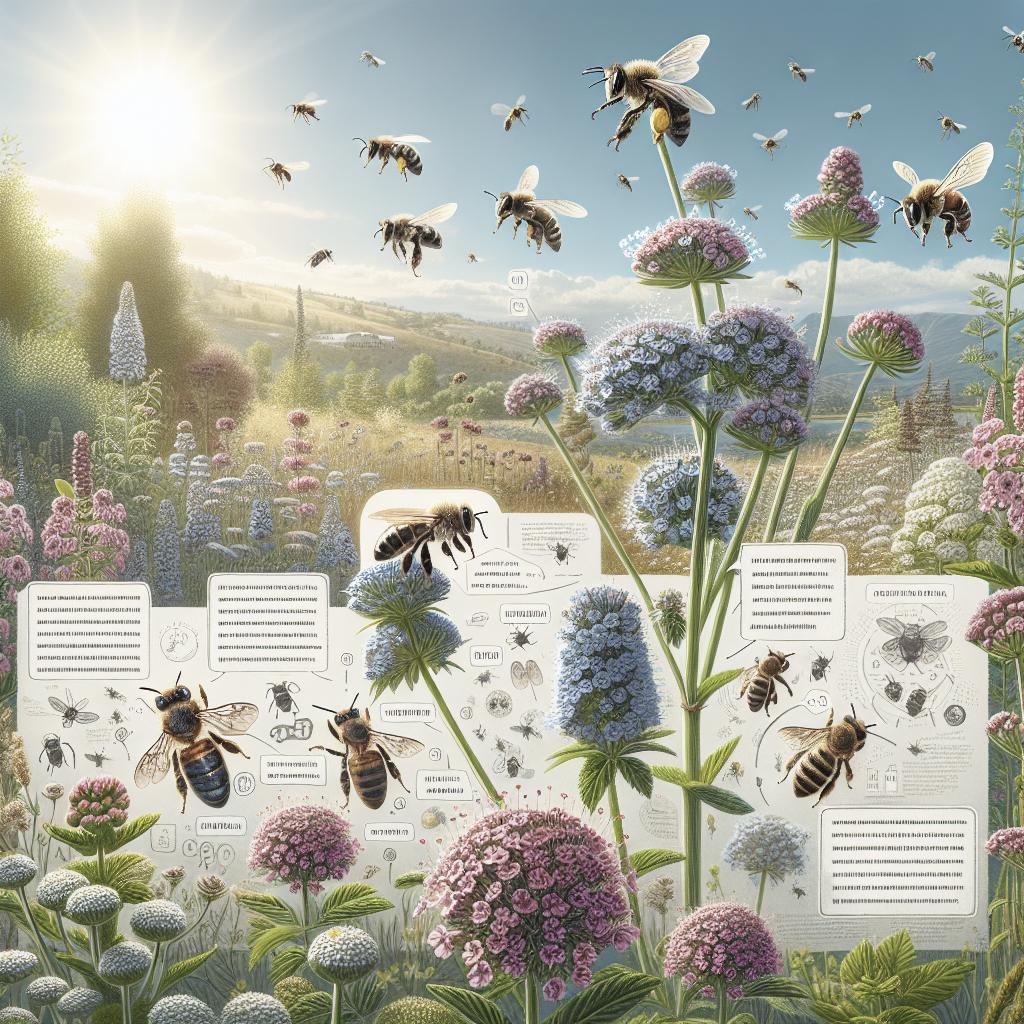
One of the most straightforward yet effective methods to aid native bees is choosing the right plants that offer prolonged blooms and diverse nectar and pollen sources. Opting for native flora that blooms at different times of the year helps ensure there’s always food available for different bee species.
Incorporating a mix of colors and shapes can attract a variety of pollinators, with some preferring tubular flowers while others favor flat open blooms. Native plants are often better adapted to support native bee species, providing highly nutritious resources tailored to their needs.
Enhancing plant diversity also contributes to the resilience of ecosystems by supporting other forms of wildlife, creating a balanced environment where native bees can thrive alongside other organisms.
Future Prospects
| Key Aspect | Details |
|---|---|
| Solitary Bee Lifecycle | Solitary existence, unique lifecycle stages, importance in pollination |
| Species At Risk | Declines in species like the Rusty Patched Bumblebee, impact on biodiversity |
| Key Threats | Habitat loss, agricultural practices, climate change impacts |
| How You Can Help | Creating habitats, providing nesting sites, responsible pest management, choosing the right plants |