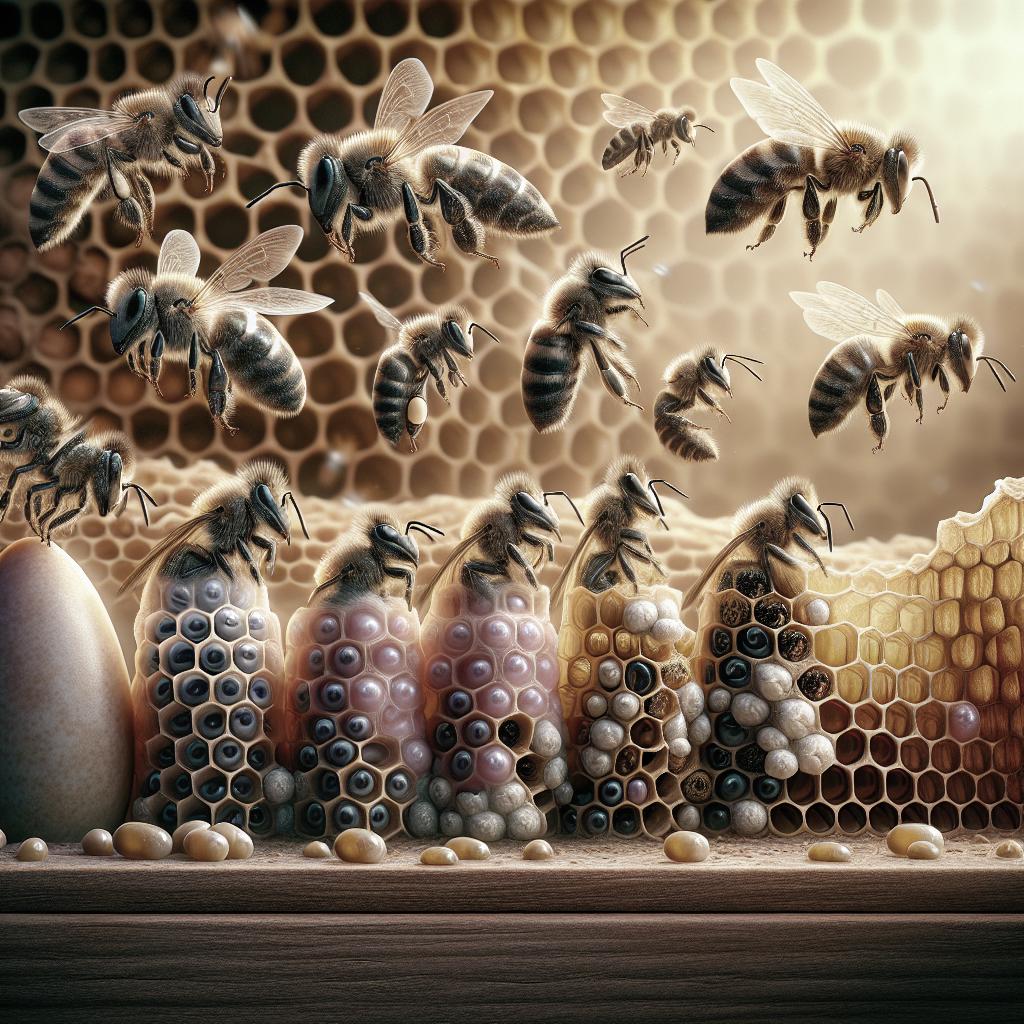
Stages of Hive Development
The development of a bee hive is a fascinating process that mirrors the complexity and organization inherent in nature. Understanding the developmental stages of a hive is crucial for beekeepers, researchers, and enthusiasts alike. This article provides a comprehensive guide to the stages of hive development, from the initial establishment to the maturation phase. We will delve into the biological and environmental factors influencing hive growth, the roles of different bees at various stages, and the importance of these stages for sustaining a healthy and productive colony. Our exploration is divided into clear sections to facilitate a thorough understanding of each aspect of hive development.
Importance of Knowing Developmental Rates
Understanding the developmental rates of a bee hive is essential for effective hive management and ensuring the long-term viability of a colony. The growth and health of a hive are directly influenced by these rates, which are affected by environmental conditions, availability of resources, and the genetic makeup of the bee population. Beekeepers who are aware of these factors can make informed decisions about when to intervene, how to supplement the hive’s resources, and which management strategies to employ.
Moreover, knowledge of developmental rates aids in predicting the productivity of the hive. Different stages of development are associated with varying levels of activity and resource production, such as honey and pollen. Recognizing these patterns allows beekeepers to optimize the yield and health of their colonies by aligning their management practices with the natural growth cycles of the bees.
In addition, understanding these rates can help in identifying potential problems early on. Developmental delays might suggest difficulties such as disease, infestations, or nutritional deficiencies. By having a benchmark against which to measure progress, beekeepers can act swiftly to address any issues, thus preventing possible collapse or significant loss within the hive.
CONTINUE READING >
The initial stage of hive development starts with swarm establishment, where a new queen, accompanied by worker bees, finds a suitable location to create a new hive. Location selection is crucial as it must provide adequate shelter and resources. The swarm undertakes this journey usually in spring, a time of abundant resources, to maximize their chances of survival.
Once a location is chosen, the worker bees begin the construction of the honeycomb using wax secreted from their bodies. This structure serves as the backbone of the colony, providing storage space for honey and pollen, and housing the brood. The architecture of the comb is meticulously organized to ensure efficiency in resource management and development.
by Larry Connor
Larry Connor is a respected figure in the realm of beekeeping. With decades of experience and multiple publications under his belt, Connor has become a trusted source of knowledge and practical advice for both novice and seasoned beekeepers. His insights into the developmental stages of hives help bridge the gap between research and practical application, bringing the science of beekeeping into the reach of a broader audience.
Connor’s work often focuses on the importance of adapting management strategies to fit the natural development of bee colonies. By aligning human interventions with the biological tendencies of bees, he advocates for more sustainable and effective beekeeping practices. His approach not only enhances productivity but also emphasizes the welfare of the bees, promoting a symbiotic relationship between humans and their natural environment.
You may also like.
If you found this exploration of hive development intriguing, you might also be interested in reading about the different types of bees within a colony and their specific roles. Understanding how each bee contributes to the overall success of the hive can deepen your appreciation for their complex social structure.
Another topic worth exploring is the impact of climate change on bee populations. As environmental challenges increase, understanding how to mitigate these effects is vital for the sustainability of bee colonies worldwide. Articles discussing innovative approaches and adaptations in beekeeping offer valuable insights into this pressing issue.
For those interested in practical applications, exploring various beekeeping techniques to enhance productivity and hive health might be beneficial. From organic practices to technological innovations, there is a wealth of information available to help beekeepers optimize their efforts.
Final Thoughts
| Stage | Description | Importance |
|---|---|---|
| Swarm Establishment | Initial stage where a new queen and workers find a suitable location. | Crucial for the survival and longevity of the hive, influenced by environmental suitability. |
| Comb Construction | Worker bees build the honeycomb structure using wax. | Provides storage, housing for brood, and is the structural foundation of the colony. |
| Developmental Monitoring | Recognizing the growth stages for effective management. | Enables early detection of issues and aligns practices with natural cycles for optimal productivity. |