Introduction
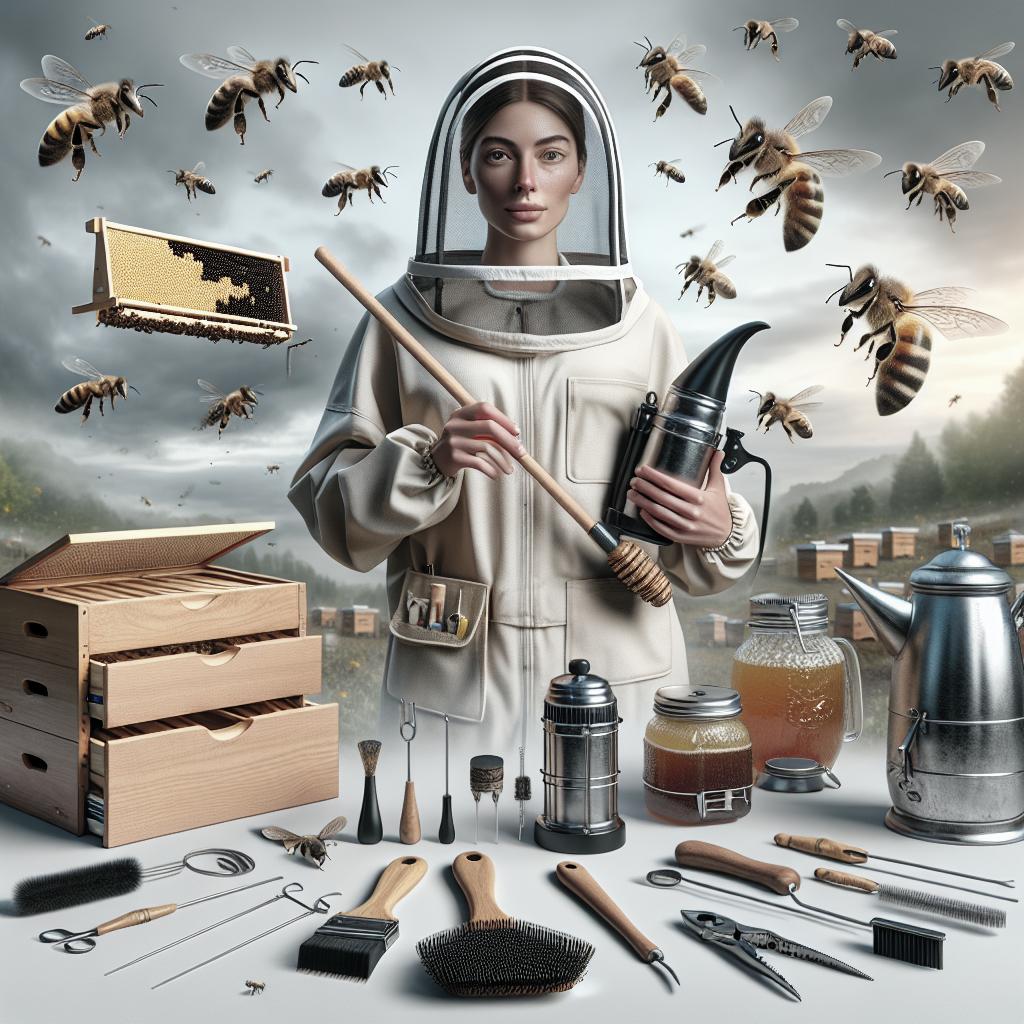
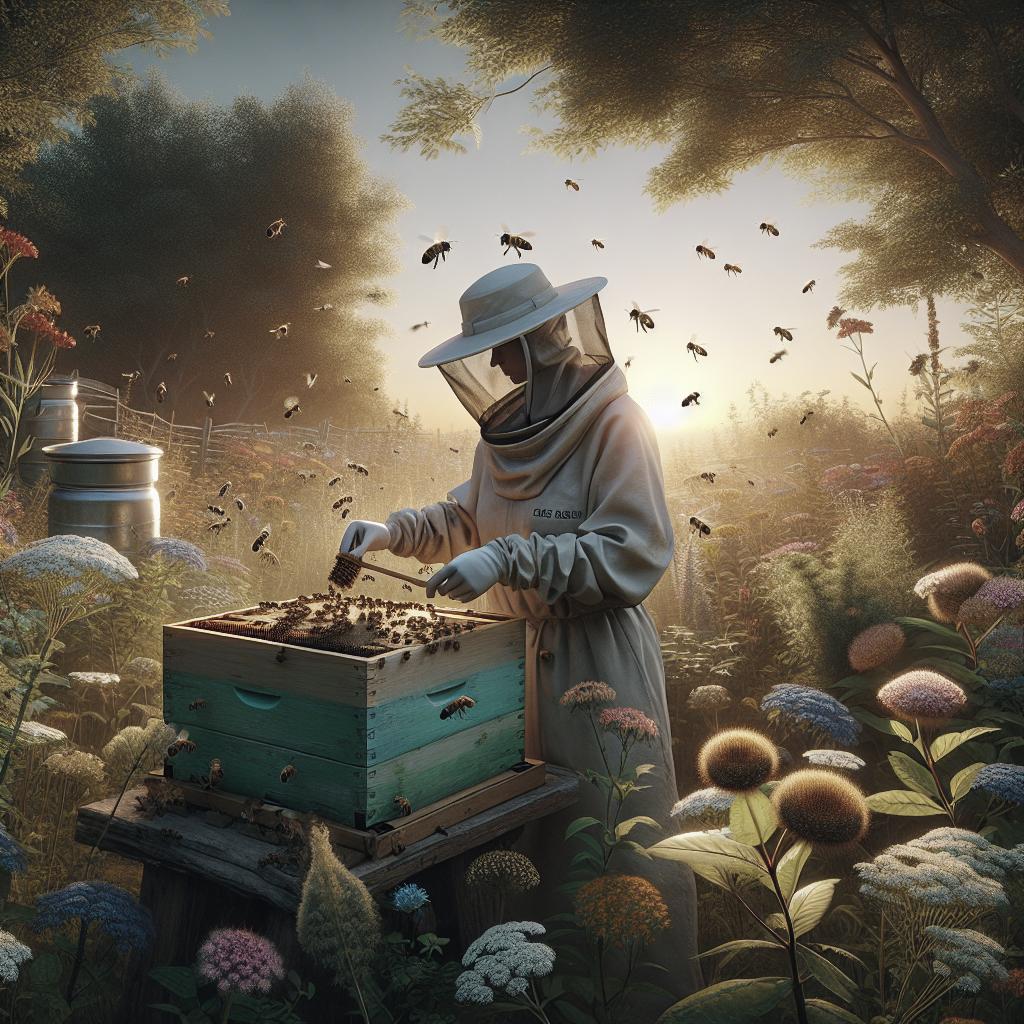
Organic beekeeping is a sustainable method of beekeeping that prioritizes the health of bee colonies and the environment. It focuses on natural practices for maintaining bee health and honey production without relying on synthetic chemicals. This guide will walk you through key components of organic beekeeping, including recent studies highlighting its effectiveness, basic colony management techniques, community responsibilities, and the regulatory framework for beekeepers. We’ll also cover available education and training resources, and define key beekeeping terms. By implementing organic beekeeping practices, you contribute to the sustainability of honey bee populations and enjoy the benefits of an eco-friendly approach to apiculture.
Study the first to show that organic beekeeping management supports high honey-bee survival and honey production
A groundbreaking study conducted on organic beekeeping management demonstrated promising results for honey bee survival and productivity. Researchers found that colonies managed organically had significantly higher survival rates compared to those in conventional management systems. This increase in survival was attributed to the emphasis on holistic practices that minimize stress and exposure to harmful chemicals.
Furthermore, the study highlighted that organic colonies produced substantial amounts of honey, often surpassing the yields achieved through traditional methods. By applying integrated pest management (IPM) techniques and focusing on the natural habits of bees, organic beekeeping showcases a viable path toward sustainable apiculture.
Basic colony management
Biology and integrated pest management
Understanding the biology of honey bees is crucial for effective colony management in organic beekeeping. Awareness of their natural life cycles and behaviors informs better decisions regarding hive placement, feeding, and pest control. Integrated pest management (IPM) plays a pivotal role in organic systems, emphasizing prevention and natural control methods over chemical treatments.
Techniques such as maintaining strong colonies, using screened bottom boards, and introducing beneficial insects can help manage pests like Varroa mites without resorting to synthetic pesticides. This approach not only protects bee health but also fosters a resilient environment.
Conducting colony inspections
Regular colony inspections are essential to ensure the health and productivity of bee colonies. These inspections help identify issues like poor queen performance, disease presence, or pests. Organic beekeepers are trained to conduct these inspections with minimal disruption to the colony.
Observations include checking for proper brood patterns, adequate food stores, and overall hive conditions. Recording these findings ensures continuous improvement in management practices and swift action when problems are detected.
Biosecurity
Biosecurity measures in organic beekeeping involve practices aimed at minimizing the risk of disease transmission within and between colonies. This includes using clean equipment, practicing good hygiene, and implementing quarantine measures when introducing new bees or equipment.
Establishing physical barriers and adequate distances between apiaries can further reduce the risk of spreading pathogens, which is essential for preserving the health of both individual colonies and the broader bee population.
Responsibility to the community and honey bee population
Beekeeping associations
Joining beekeeping associations offers organic beekeepers the opportunity to connect with fellow apiculturists, exchange knowledge, and stay updated on the latest industry trends. These associations serve as a platform for advocacy and collectively addressing challenges faced by the beekeeping community.
Networking through these organizations enhances learning and support, creating a collaborative environment for advancing sustainable practices in beekeeping. By engaging actively, members contribute to the broader mission of safeguarding honey bee populations.
Regulations and legal requirements
Certificate of registration
Beekeepers are often required to register their operations with local authorities to ensure compliance with regulatory standards. This registration helps monitor the number of honey bee colonies and assess regional needs for resources and support.
Organic beekeepers must abide by additional standards set to maintain certification, including the prohibition of synthetic chemicals in hive management and practices. Understanding these regulations is essential for legally operating an organic apiary.
Apiary permits to sell honey bees and beekeeping equipment
In many regions, beekeepers need permits to sell honey bees and related equipment. These permits assure buyers of the health and quality of bees and gear, align with organic standards, and help maintain robust bee populations.
Obtaining the necessary documentation for sales supports sustainable industry practices and ensures that beekeepers adhere to ethical and compliant business operations.
Report pests and diseases to an apiary inspector
Reporting pests and diseases to an apiary inspector is a critical step in managing collective risks within the apiculture community. An inspector provides guidance on treatment options, helps prevent spread, and protects neighboring colonies.
Proactive communication, along with diligent inspection protocols, reinforces the importance of collective responsibility and active participation in community pest management efforts.
Education and training
Workshops and courses
Workshops and courses offered by various institutions provide beekeepers with valuable knowledge and hands-on experience in organic practices. These programs cover topics such as apiary management, pest control, and sustainable honey production.
Attending workshops enhances practical skills and keeps beekeepers informed on the latest techniques and strategies in organic beekeeping, fostering a culture of continuous learning and improvement.
Publications
Numerous publications specifically targeting organic beekeeping provide in-depth insights and research findings to support apiculturists. These resources include journals, books, and online articles that address current trends, challenges, and advancements in the field.
Subscribing to and staying updated with these publications helps beekeepers remain informed, adapt to emerging practices, and contribute to the collective knowledge base.
Glossary
A glossary defines key terms essential for understanding organic beekeeping practices, including IPM (Integrated Pest Management), brood, apiary, and biosecurity. Familiarity with this terminology ensures clear communication and comprehension in discussions regarding apiculture.
Acknowledgements
Help us improve this website
We value feedback from our readers to enhance the quality of our content. If you have suggestions or corrections regarding the information on organic beekeeping practices, please feel free to reach out. Your input is invaluable to our mission of providing accurate and helpful resources to the beekeeping community.
Footnotes
1. Detailed study findings available upon request.
2. Please adhere to local guidelines for beekeeping practices and regulations.
Contact
For additional information or inquiries, contact our support team via email at support@organicbeekeeping.com or through our social media channels.
Tags
Beekeeping, Organic, Sustainable Practices, Honey Production, Beekeeper Education
Final thoughts
| Section | Content |
|---|---|
| Introduction | Overview of organic beekeeping practices and their benefits. |
| Study Findings | Research supporting high bee survival and productivity through organic methods. |
| Colony Management | Includes biology, inspections, and biosecurity for healthy colonies. |
| Community Responsibility | The role of associations and collective efforts in beekeeping. |
| Regulations | Registration, permits, and reporting for organizational compliance. |
| Education and Training | Resources like workshops and publications for ongoing education. |
| Glossary | Definition of key terms used in organic beekeeping. |
| Acknowledgements | Encourage feedback for website improvement. |