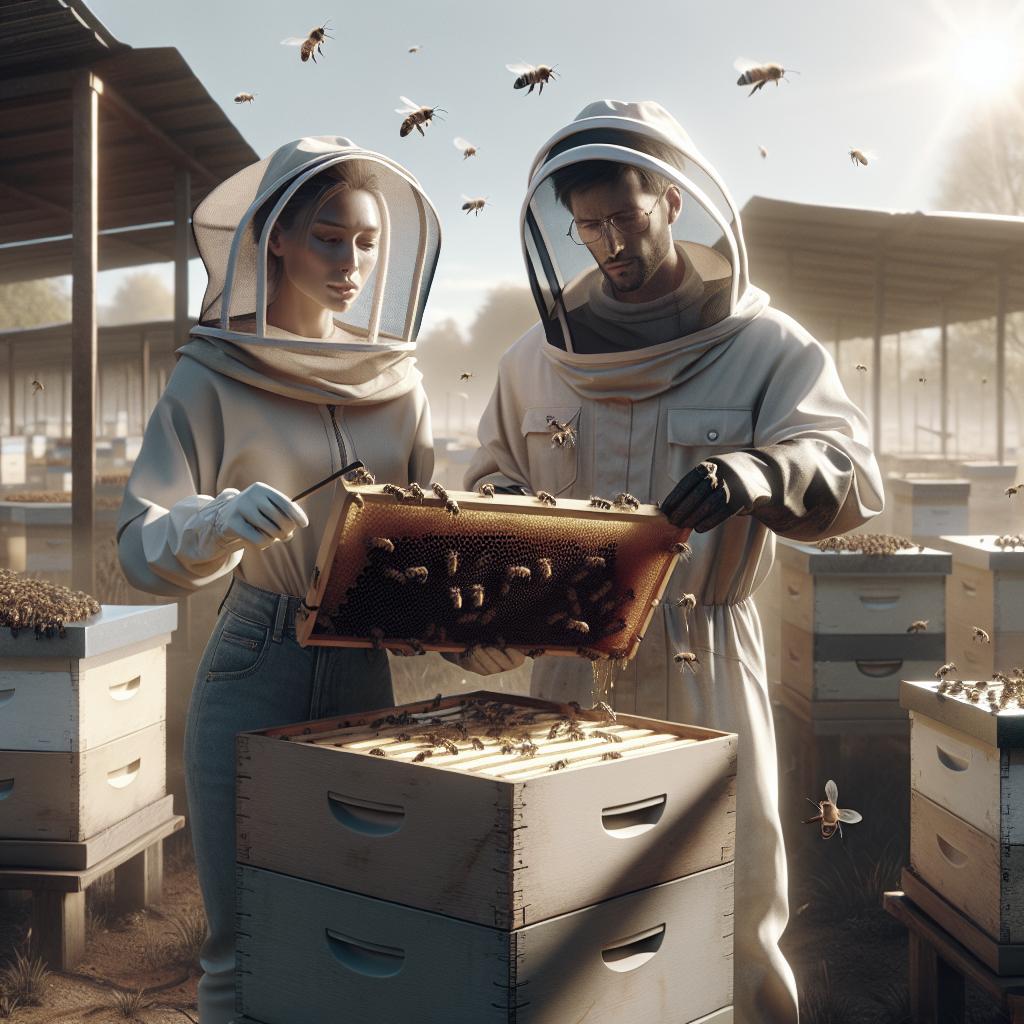
Challenges of Commercial Beekeeping
Commercial beekeeping is a complex and demanding field that blends agricultural practices with ecological stewardship. This blog post explores the multifaceted challenges faced by commercial beekeepers, from navigating local ordinances and dealing with bee stings to maintaining colony health and ensuring consistent food sources. We’ll look at the essential role of proper equipment and dive into the future prospects for overcoming these hurdles. By understanding and addressing these issues, we can better support the sustainability and profitability of beekeeping as an industry and vital player in global ecosystems.
Authors
The insights in this post are crafted by Lucas Martin, a dedicated writer and communications expert with a focus on technology and innovation. Drawing from numerous sources and industry expertise, this article provides a comprehensive overview meant to serve both aspiring beekeepers and seasoned professionals alike.
Abstract
Beekeeping, both an art and science, involves managing bees for honey production, pollination services, and bee-related products. This commercial pursuit faces numerous challenges that pertain to regulatory, ecological, and operational domains. Each section of this article delves into specific hurdles beekeepers encounter, offering insights and potential solutions that promise to benefit operators at various levels of experience and operation size. By addressing these challenges, beekeeping not only prospers economically but also contributes to environmental health, serving an indispensable ecological role.
Local Beekeeping Ordinances
One of the foremost challenges in commercial beekeeping is adhering to local beekeeping ordinances, which vary widely from one region to another. These regulations often dictate where hives can be placed, how many are allowed, and various safety guidelines that must be followed. Understanding these regulations involves both legal navigation and maintaining open communications with local authorities, neighbors, and fellow beekeepers to ensure compliance and community support.
Failure to comply with local laws can lead to significant fines or even the revocation of rights to maintain certain numbers of colonies. Therefore, commercial beekeepers should engage actively with local councils and participate in community efforts to refine and improve beekeeping standards. Knowledge and dialogue are essential components in fostering a cooperative atmosphere between beekeepers and non-beekeeping residents, reducing potential conflicts and promoting public understanding of the vital role bees play in agriculture.
Stings
Bee stings represent another significant concern for commercial beekeepers, particularly because they pose health risks to both the beekeeper and nearby individuals, especially those with allergies. Understanding bee behavior and using protective gear are essential steps in minimizing the dangers associated with bee stings. Proper training in handling bees is paramount to decrease the risk of defensiveness and to ensure operations run smoothly.
For commercial ventures, having standardized protocols for dealing with sting incidents is crucial. This includes training employees on emergency procedures and ensuring that first aid and allergenic response kits are present at all beekeeping sites. Educating staff and visitors about bees’ natural behaviors can help reduce unnecessary fear and create a safer working environment. These preventive measures not only safeguard health but also improve workflow efficiency by reducing downtime caused by sting incidents.
Health of Colony
The health of the bee colony is central to the success of any commercial beekeeping operation. Colony collapse disorder and diseases like American foulbrood present dire threats. Beekeepers must maintain vigilant management practices, monitoring for signs of disease, parasites like Varroa mites, and environmental stressors that could compromise hive health. Developing a keen understanding of both traditional and innovative treatments is essential to counter these threats actively.
Implementing regular health checks and integrating pest management frameworks helps in maintaining the viability of colonies. Furthermore, using diverse genetic lines and fostering good nutritional practices can strengthen a colony’s resilience against various threats. A healthy colony ensures sustainable honey yields and robust pollination services, providing both ecological and economic benefits.
Proper Equipment
The success of a beekeeping venture is heavily dependent on the proper acquisition and maintenance of beekeeping equipment. Essential tools such as smokers, protective clothing, hive tools, and frames must be selected to suit the specific needs of a beekeeping operation. Quality equipment not only facilitates ease of management but also enhances the safety and productivity of hive operations.
Investing in modern equipment innovations, such as automated hive scales and advanced monitoring systems, can significantly bolster hive management efficiency, providing timely data that inform better decision-making processes. Regular maintenance is equally crucial, as it extends the life of equipment and ensures the investment pays off over time. Being informed about the latest advancements in beekeeping technology allows commercial operators to stay competitive and maximize operational outputs.
Food Sources
A constant supply of sufficient food sources is imperative for the wellbeing of bee colonies and the sustainability of any commercial endeavor. The decline in diverse floral landscapes due to urbanization and monocultures poses a significant challenge, leading to food scarcity at certain times of the year. Beekeepers must often supplement natural forage with artificial feeds to tide over periods of shortage, such as during winter or droughts.
Incorporating apiary management practices that encourage diverse plantings can help mitigate this challenge. Partnering with local farmers to plant bee-friendly crops or creating flowering buffer zones are steps forward in this direction. Sustainable food source management not only nurtures bee health but also enhances broader ecological benefits, as it aids in conserving biodiversity and improving pollination networks. By bolstering food source diversity, beekeepers can positively impact both their enterprise and the environment.
Leave a comment
We invite readers to share their thoughts and experiences with commercial beekeeping challenges. Your insights can contribute to the collective knowledge of the community and help others navigate the complexities of this rewarding yet demanding field. Please leave your comments below, and let’s foster a dialogue that benefits everyone involved in the art of beekeeping.
Future Prospects
| Challenge | Key Considerations |
|---|---|
| Local Beekeeping Ordinances | Stay informed and engage with local regulations and communities. |
| Stings | Emphasize safety protocols and education to minimize risks. |
| Health of Colony | Implement integrated health management practices and diversify genetics. |
| Proper Equipment | Invest in modern and well-maintained equipment for efficiency. |
| Food Sources | Ensure diverse floral resources and partnerships for sustainable food supply. |