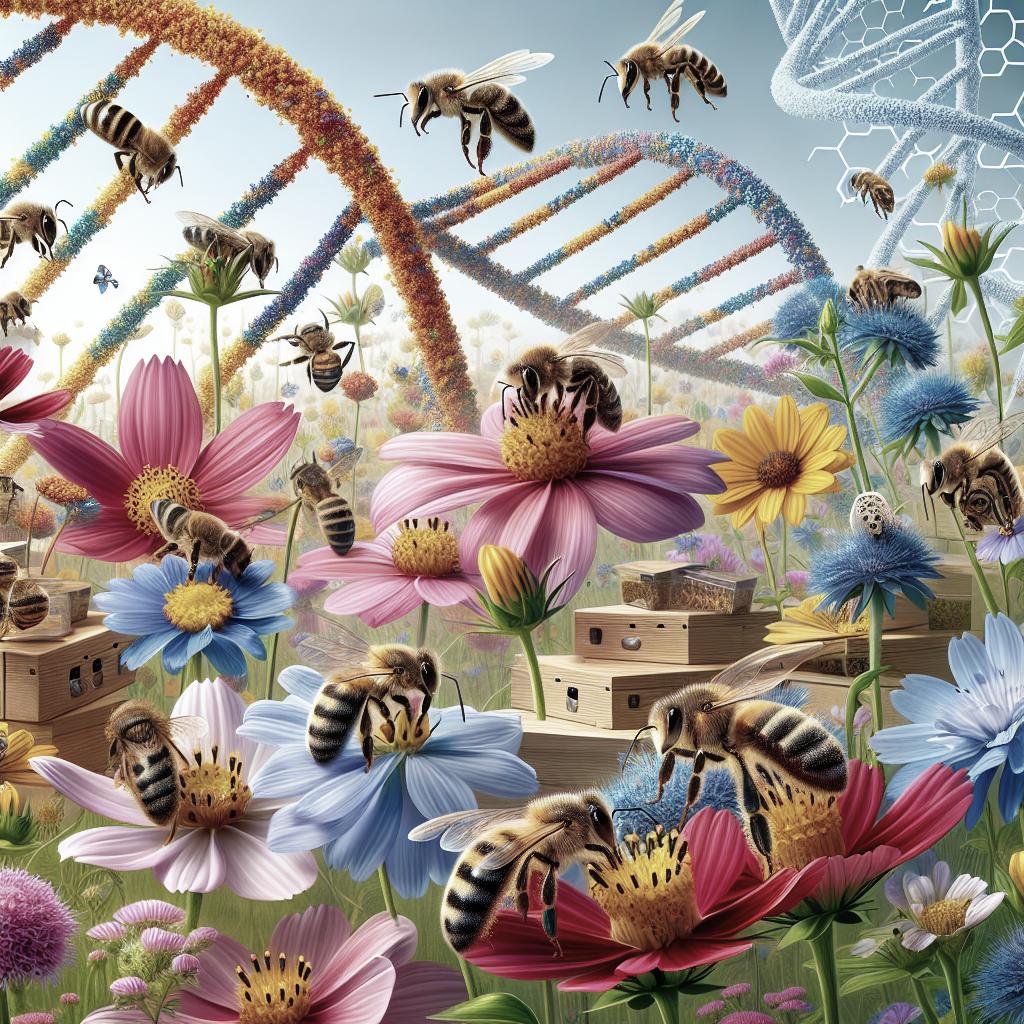
The Importance of Genetic Diversity in Bee Populations
Primary Category
Human intervention and environmental changes have increasingly threatened bee populations around the globe. As crucial pollinators, bees play a vital role in maintaining ecosystems and supporting biodiversity. The precarious state of their populations has prompted researchers and conservationists to delve into the genetic fabric of these insects. In doing so, they have discovered the immense importance of genetic diversity in preserving bee populations and enhancing their capacity to adapt to changing conditions. In this blog post, we will explore the significance of genetic diversity by investigating the bee family tree, examining Africanized bees, and discussing breeding strategies for hardier bees.
Tags
Bees, Genetic Diversity, Biodiversity, Conservation, Pollination, Africanized Bees, Breeding
Investigating the bee family tree
Understanding the bee family tree is pivotal in appreciating the breadth of genetic diversity that exists within bee populations. Bees belong to the Apoidea superfamily and comprise approximately 20,000 distinct species. Among these, the Western honeybee (Apis mellifera) is one of the most recognized and widely studied. Genetic diversity within this species, and indeed across the entire bee family, allows various species to adapt to different environmental conditions, resist diseases, and fulfill unique roles in ecosystems.
Researchers have utilized genetic analysis to trace the lineage of bee populations, unraveling migration patterns and breeding history. This analysis reveals that diverse genetic backgrounds empower populations to maintain robust health and survive external pressures. In contrast, reduced genetic diversity commonly leads to inbreeding, weakening the resistance to pathogens and environmental changes. Thus, preserving genetic diversity is critical for sustaining resilient and thriving bee populations.
The study of the bee family tree sheds light on how these creatures have evolved alongside plants, developing co-dependent relationships that are crucial for pollination. Genetic diversity enhances these relationships, enabling bees to interact with a wider variety of plants and contribute to plant diversity. This mutualistic relationship illustrates the broader ecological significance of genetic diversity, as it echoes throughout the entirety of ecosystems.
A new take on Africanized bees
Africanized bees, often referred to as “killer bees,” have garnered a notorious reputation due to their aggressive behavior. Nevertheless, they present an interesting case study in the context of genetic diversity. These bees emerged from the hybridization between African subspecies and European honeybees, leading to unique genetic traits that offer insights into adaptability and survival.
Africanized bees thrive in harsher climates and demonstrate remarkable resistance to diseases and pests compared to their European counterparts. This hybrid vigor is attributed to their diverse genetic makeup, which imparts variation and resilience. The successful integration of Africanized bees in challenging environments highlights how genetic diversity bolsters survival capabilities and ecological functions.
The case of Africanized bees underscores the potential benefits of genetic mixing and offers valuable lessons for conservation strategies. While their aggression poses management challenges, their adaptability showcases how variation within species can enhance resistance to external threats. This knowledge might inform breeding approaches designed to enhance the robustness and productivity of other bee populations.
Breeding a hardier bee
The importance of genetic diversity is increasingly recognized in efforts to breed hardier bees. With challenges such as climate change, habitat loss, and new disease threats, beekeepers and scientists are exploring breeding techniques that prioritize genetic variation. By crossbreeding strains with desirable traits like disease resistance and environmental adaptability, researchers can develop bee populations better equipped for the future.
One approach involves managed breeding programs that carefully select genetic lines to introduce beneficial attributes without compromising population health. Projects like these emphasize the significance of maintaining genetic heterogeneity, providing bees with a toolkit to tackle varied stressors. Moreover, these programs also consider the potential impact of genetic modifications on local ecosystems, striving to balance innovation with ecological integrity.
Ultimately, breeding with a focus on genetic diversity aids in creating bee populations that exhibit a higher degree of resilience and adaptability. As bees continue to face global threats, such interventions become crucial in safeguarding their populations and, consequently, the food security and biodiversity they uphold. In nurturing the genetic fabric of bees, humanity plays an active role in sustaining natural harmony and resilience.
Lessons Learned
| Section | Key Insights |
|---|---|
| Investigating the bee family tree | Genetic diversity within bee populations supports adaptation, disease resistance, and ecological roles, crucial for maintaining ecosystem balance. |
| A new take on Africanized bees | Africanized bees demonstrate hybrid vigor and resilience, illustrating genetic diversity’s role in adapting to environmental challenges and diseases. |
| Breeding a hardier bee | Breeding strategies emphasize genetic diversity, creating bees with enhanced resilience to climate change, habitat loss, and disease threats. |